

What Is the Best Food Product Packaging Machine from China?

Choosing the best food product packaging machine from China requires more than comparing prices, speed, or polished showroom videos. A reliable choice must protect food, maintain accurate portioning, and fit the factory floor. It should also support sanitation, traceability, quick changeovers, and stable sealing. A machine that runs 120 packs per minute means little if film wrinkles after three hours.

Industry reports show why this decision matters. Smithers’ The Future of Global Packaging to 2028 projects the worldwide packaging market will approach 1.2 trillion dollars by 2028. Its analysis highlights sustainability, automation, and material efficiency as important growth drivers. PMMI’s recent packaging industry research also identifies labor shortages, flexible production, and improved equipment intelligence as major investment concerns. These findings point toward practical automation, not automation for its own sake.

Packaging engineer and food packaging consultant Aaron L. Brody stated, “Packaging is the interface between the product and the consumer.” That interface may be a crisp pouch, a sealed tray, or a carefully labeled carton. China offers many capable manufacturers, but quality varies between suppliers, models, and service teams. No machine wins every line. Buyers should examine stainless-steel construction, washdown design, spare-parts access, software language, factory acceptance testing, and after-sales response times.

The best food product packaging machine is therefore the one that matches the product, packaging material, hygiene risk, and production target. A frozen dumpling line needs different handling from a liquid sauce filler. A thoughtful evaluation may feel slower. It can prevent an expensive mistake.
What Is the Best Food Product Packaging Machine from China?

What Is a Food Product Packaging Machine?

A food product packaging machine is equipment that prepares, fills, seals, labels, or checks food containers. It may handle pouches, trays, bottles, cans, or cartons. The machine protects food from moisture, oxygen, dust, and physical damage during storage and transport.

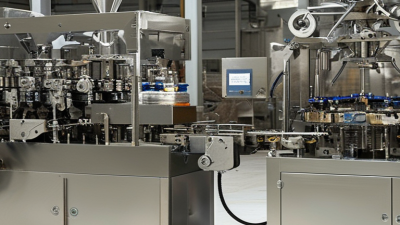
A typical system includes a product feeder, measuring unit, forming section, sealing jaws, conveyor, and control panel. Some models also use date coders, metal detectors, or checkweighers. For example, a pouch machine may measure dried fruit, drop it into film, create a seal, and cut the package within seconds. Operators must still inspect seal strength, filling accuracy, and cleaning access. Small design details matter.

When evaluating a food packaging machine from China, I would examine its contact materials, electrical safety, documentation, and after-sales support. Stainless steel surfaces should resist corrosion and allow quick sanitation. Sensors need stable readings, not frequent false alarms. A supplier should provide factory testing records, operating instructions, spare-parts information, and evidence of compliance with the destination market’s rules. Faster output sounds attractive, but excessive speed can increase product waste. I have also found that a simple machine is sometimes easier to maintain than a highly automated one. No machine is perfect. A careful trial with the actual food product can reveal problems that specifications hide.

Which Packaging Machines Are Made in China?

What Is the Best Food Product Packaging Machine from China?

When buyers ask which packaging machines are made in China, the answer is broad. Chinese factories produce vertical form-fill-seal machines, premade pouch packers, flow wrappers, and tray sealers. They also manufacture multihead weighers, auger fillers, liquid fillers, vacuum packers, cartoners, and case packing systems. The best choice depends on the product, package size, output target, and factory space. It depends.

Packaging Options by Product Type

For snacks, grains, and frozen foods, a multihead weigher paired with a vertical packer can offer accurate portion control. Powdered products often need an auger filler with dust management. Fresh food may require a tray sealer or modified-atmosphere system.

Servo motors, stainless-steel frames, and touch-screen controls are common features. Some machines use food-grade 304 stainless steel, while corrosive products may need 316 steel. Product contact areas deserve close inspection.

How to Evaluate a Reliable Machine

A reliable evaluation should include factory videos, material certificates, wiring drawings, sample tests, and a documented acceptance process. Ask whether spare parts, remote support, installation, and operator training are included. During testing, check seal strength, filling accuracy, film tracking, cleaning access, and changeover time. Check the details. A low purchase price can hide weak sensors or slow service. Imported components may appear in a Chinese-built machine, so confirm the actual supply chain. No machine is perfect, and small design flaws often become expensive after daily production begins.

How Do Chinese Packaging Machines Work?

Chinese food packaging machines usually follow a clear sequence: feeding, weighing, filling, sealing, and inspection. A sensor checks product flow before the filling cycle begins. Servo motors control film movement with measured accuracy. Pneumatic parts then open and close the sealing jaws. Many systems use stainless steel frames and smooth surfaces for easier cleaning. Operators can adjust filling weight, bag length, temperature, and production speed through a touchscreen panel.

The machine’s control system connects these actions. If a bag is missing, the sensor can stop filling. If sealing temperature changes, an alarm may appear. This reduces waste, but it does not remove every risk. Sticky snacks, uneven powders, or humid rooms can still affect performance. From practical testing, calibration matters as much as machine design. A well-built unit may produce poor results with unsuitable film or careless setup. Maintenance records also help technicians find repeated faults before downtime grows.

Tips: Test real food samples before purchase. Check seal strength, weighing accuracy, cleaning access, and film compatibility. Ask for operating videos and maintenance instructions. Keep spare heaters, sensors, and sealing parts available. Train operators with actual production materials, not only empty bags. Small trials often reveal problems that factory demonstrations hide.

What Is the Best Food Product Packaging Machine from China? - How Do Chinese Packaging Machines Work?

Machine Type Common Food Products Typical Packaging Material Typical Output Range How It Works Best Application
Vertical Form-Fill-Seal Machine Grains, rice, snacks, powders, frozen foods Heat-sealable laminated film, polyethylene, polypropylene Approximately 20–100 bags per minute, depending on product and bag size A film roll is formed into a tube, the product is dosed, and vertical heat-sealing jaws close the package. Flexible bags for granular, powdered, and irregular products
Multihead Weigher Packaging Machine Potato chips, candies, nuts, dried fruit, vegetables Laminated roll film and other heat-sealable flexible films Approximately 40–120 weighments per minute, depending on configuration Multiple weigh hoppers calculate combinations to reach the target weight before releasing the product into a bag maker. High-speed, accurate weighing of free-flowing products
Auger Filler Packaging Machine Flour, spices, milk powder, coffee powder, seasoning Premade pouches, laminated film, sachet film, or containers Approximately 20–80 fills per minute, depending on powder characteristics A rotating screw meters a controlled volume of powder into each package. Consistent dosing of powders with different densities and flow properties
Liquid and Paste Filler Sauces, cooking oil, honey, dairy products, beverages Bottles, jars, cups, pouches, and sachets Approximately 10–100 containers per minute, depending on viscosity and filling volume Piston, gear, or flow-meter systems measure the liquid and transfer it through filling nozzles. Accurate filling of free-flowing liquids and viscous pastes
Premade Pouch Packing Machine Pickles, sauces, pet food, snacks, ready-to-eat meals Stand-up pouches, zipper bags, spouted pouches, and flat pouches Approximately 20–70 pouches per minute, depending on pouch format The machine picks up premade bags, opens them, fills them, and seals the top edge. Finished pouches requiring attractive presentation and flexible formats
Horizontal Flow-Wrapping Machine Bread, biscuits, chocolate bars, cakes, fresh produce Heat-sealable polypropylene, polyethylene, and laminated films Approximately 30–200 packs per minute, depending on product size and configuration Products move horizontally while film is wrapped around them and sealed with longitudinal and end-sealing units. Individually wrapped solid or bakery products
Vacuum Packaging Machine Meat, seafood, cheese, coffee, processed foods Vacuum pouches and barrier films suitable for food contact Approximately 2–20 cycles per minute, depending on chamber size and product Air is extracted from the pouch or chamber before the package is heat-sealed. Reducing oxygen exposure and extending the storage life of suitable foods
Tray Sealing and Modified Atmosphere Packaging Machine Fresh meat, seafood, vegetables, fruit, prepared meals Food trays with heat-sealable lidding film Approximately 4–20 trays per minute, depending on tray size and sealing stations The tray is sealed with film; air may be removed and replaced with a controlled gas mixture when MAP is used. Retail-ready packs requiring product visibility and controlled atmosphere

Note: Output figures are typical indicative ranges. Actual performance depends on product properties, package dimensions, filling accuracy, film characteristics, operator skill, and machine configuration.

What Features Define the Best Packaging Machine?

What Is the Best Food Product Packaging Machine from China?

The best packaging machine is defined by performance, hygiene, flexibility, and measurable control. PMMI’s 2024 U.S. Packaging Machinery Shipments Study reported machinery shipments above 10 billion dollars in 2023. That scale reflects strong demand for reliable automation, not simply low purchase prices. A suitable machine should use food-grade stainless steel, sealed drive systems, and tool-free cleaning access. Smooth surfaces reduce residue around conveyors and sealing areas. Servo-driven dosing can improve portion accuracy. Vision inspection and checkweighing can also detect weak seals, missing products, or incorrect weights. These features matter because FAO estimates that 13.2% of food is lost between harvest and retail.

Tips: Test real products before ordering. Use your actual film, fillings, temperatures, and container sizes. Ask for changeover videos, cleaning procedures, and sample records. A machine may perform well with dry snacks but struggle with oily or sticky food. That difference is easy to miss.

Factory trials should measure output, seal strength, waste, downtime, and cleaning time. Clear digital records support traceability and maintenance decisions. Remote diagnostics can shorten service delays, but local technical support remains important. Spare parts should have clear identification and realistic delivery times. In my view, an impressive screen is not enough. A simple machine with stable results may outperform a complex model. I would still question every advertised speed. Test the slowest product first. Reflect on the weak points, not just the best demonstration.

How Should You Choose a Chinese Packaging Machine?

Choosing a Chinese packaging machine should begin with your product, not the supplier’s catalog. A powder, sauce, snack, or fragile item needs different dosing, sealing, and cleaning systems. Grand View Research valued the global packaging machinery market at USD 52.83 billion in 2023. This growth reflects stronger demand for automation, accuracy, and flexible production.

Ask for a complete test using your real product and packaging film. Measure fill-weight variation, sealing strength, changeover time, and rejected packs. Request recorded results, electrical drawings, spare-parts lists, and a clear warranty. PMMI’s 2024 industry research highlights labor shortages and automation as major packaging concerns. A machine that reduces manual adjustment may therefore offer more value than a cheaper model.

Inspect the factory remotely or in person. Check welding quality, cable labeling, guarding, drainage, and access to wearing parts. Stainless steel should match the product’s moisture and cleaning requirements. Confirm whether the control system supports your preferred language and production records. I have learned that a polished demonstration proves little. Sometimes, a supplier avoids testing difficult products. That is a warning.

Compare total cost, not only the invoice. Include installation, training, freight, customs, molds, film waste, and annual maintenance. Ask for references from similar applications, preferably with measurable output data. The wrong machine may run quickly but waste film every hour. A slower, stable line can be the wiser purchase.