

The global processing machinery market is expanding, but comparing manufacturers requires more than counting factory size or export volume. Grand View Research estimates that the global food processing equipment market reached approximately USD 52.4 billion in 2022. Its report also projects continued growth through 2030, supported by automation, food safety, labor shortages, and rising demand for efficient production lines.
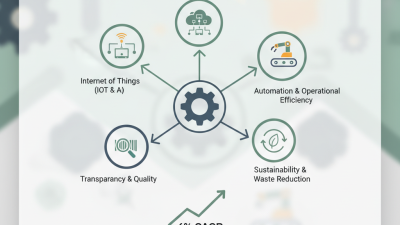
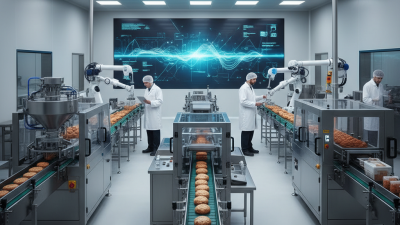
The details matter. A modern processing machinery plant may combine stainless-steel conveyors, optical sorting cameras, robotic arms, heat exchangers, and cloud-based monitoring. Buyers increasingly assess energy use, cleanability, changeover time, spare-parts access, and after-sales support. PMMI’s 2024 industry outlook also highlights automation and digital connectivity as important investment priorities for manufacturers. However, market figures differ between research firms. Definitions vary, and some reports combine food, beverage, pharmaceutical, and industrial equipment. That limitation deserves attention.
W. Edwards Deming, a respected manufacturing-quality expert, said, “Quality comes not from inspection, but from the improvement of the production process.” His principle remains highly relevant. The strongest manufacturers improve machine reliability before problems reach the production floor. This overview examines leading processing machinery manufacturers worldwide through engineering capability, product breadth, documented performance, service networks, and innovation. It does not treat revenue alone as proof of excellence. Rankings can never be perfect. Real performance depends on the application, factory conditions, and operator experience.
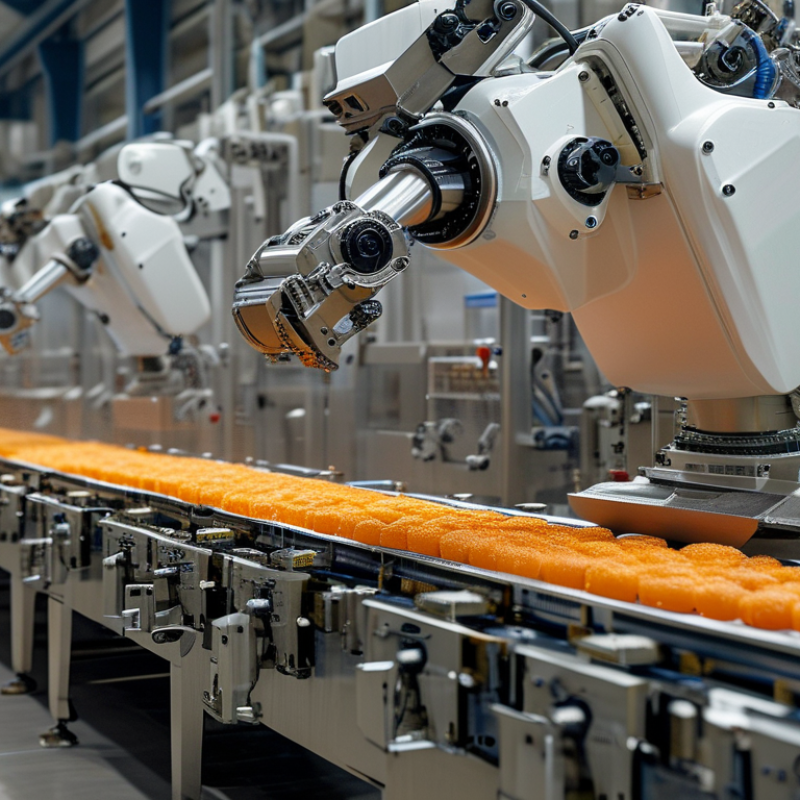
Processing machinery manufacturers design and build equipment that transforms raw materials into usable products. Their work may include cutting, mixing, heating, drying, filling, pressing, or packaging. A reliable manufacturer understands the full production process, not only the machine frame. Engineers study material behavior, output targets, energy use, cleaning needs, and operator safety.
These manufacturers usually provide custom designs, technical drawings, installation support, and maintenance guidance. Experienced teams test equipment under realistic conditions before delivery. They also record performance data and explain operating limits clearly. A polished brochure is not enough. A factory visit may reveal loose documentation, limited testing space, or weak after-sales support. Even capable manufacturers can overlook small details, such as awkward access panels or difficult sensor replacement.
Tips: Ask for test records, material specifications, safety documents, and service response times. Compare usable output rather than advertised maximum speed. Watch a trial run if possible. Listen for unusual vibration and inspect product contact surfaces. Leave room for honest questions. A careful evaluation may take longer, but it can prevent expensive production changes later.
Processing machinery supports nearly every modern production line, from food preparation to water treatment and material handling. The most common equipment usually includes conveyors, mixers, pumps, grinders, filters, and filling machines. Each type solves a different production problem. Conveyors move materials between workstations, while mixers create consistent blends in tanks or vessels. Pumps handle liquids, but their performance depends on viscosity, temperature, and pressure.
Grinding and milling machines reduce raw materials into controlled particle sizes. Filters remove unwanted solids from liquids or gases. Heat exchangers transfer thermal energy without directly mixing fluids.
Filling and sealing machines improve speed and portion accuracy. In my experience, small changes in moisture or material density can affect an entire line. Equipment that looks suitable on paper may perform poorly during real production. That is easy to underestimate.
Tips:
Check the machine’s working capacity, cleaning method, contact materials, and maintenance access before purchasing. Ask for test results using your actual material, not a similar sample. Review energy use and spare-part availability, too. A reliable manufacturer should explain operating limits clearly and provide practical service documentation. Do not judge quality by appearance alone. A polished machine can still have weak controls or difficult access panels. Careful trials often reveal problems that brochures do not mention.
Top Processing Machinery Manufacturers Worldwide?
Global evaluation depends on evidence, not impressive claims. Experienced buyers inspect production floors, test machines, and review maintenance records. A reliable manufacturer should show stable output during a documented trial run. The test may measure throughput, temperature control, energy use, noise, and product consistency. Small details matter. Clean welds matter. So does clear documentation.
Technical expertise appears in design decisions. Evaluators examine material quality, safety controls, automation, and equipment flexibility. A machine built from corrosion-resistant steel may suit demanding environments, but material choice alone proves little. Engineers should explain tolerances, cleaning procedures, software updates, and expected service intervals. They should also answer difficult questions without hiding behind general language.
Authority grows through verified installations, independent certifications, and transparent performance data. References should describe real operating conditions, not only successful demonstrations. Reliable suppliers provide spare-parts access, training records, and measurable response times. Yet no ranking is perfect. Factory visits can capture one good day. Published figures may omit downtime or setup losses. My own evaluation would therefore compare several test cycles and speak with operators privately. That extra step can reveal practical weaknesses that polished brochures miss. Cost still matters, but the cheapest quotation may create expensive interruptions later.
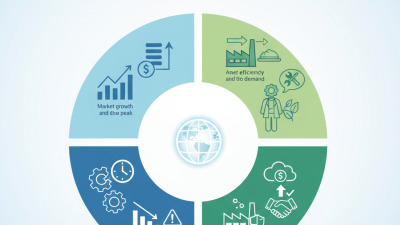
Manufacturing value added is a useful global indicator when evaluating processing-machinery manufacturers because it reflects the scale, industrial depth, and concentration of the markets they serve. East Asia and the Pacific represent the largest share of global manufacturing value added, followed by Europe and Central Asia and North America. Data are rounded regional shares based on UNIDO international manufacturing statistics.
Top Processing Machinery Manufacturers Worldwide?
Major processing machinery manufacturers are concentrated in China, Germany, Italy, the United States, Japan, and South Korea. These locations combine engineering talent, mature supplier networks, and strong export infrastructure. China offers broad production capacity and competitive customization. Germany is known for precise engineering, automation, and rigorous testing. Italy has deep experience in food, packaging, and material-processing equipment. The United States supports advanced systems for chemicals, energy, and industrial production. Japan and South Korea often focus on compact design, control technology, and stable performance.
Location affects more than the purchase price. A factory near a major port may provide faster shipping and easier access to replacement parts. Regional service teams can also reduce downtime during installation. In my experience, technical documentation reveals more than polished product photos. Check motor standards, electrical compatibility, sanitation design, output testing, and spare-part availability. A supplier may promise high capacity, yet actual results can change with moisture, temperature, or material density. That detail is easy to overlook.
Tips: Request a live factory test with your own material. Ask for maintenance records, not only brochures. Compare total operating cost over five years. Confirm local service coverage before signing. I would also inspect the supplier’s quality process personally when possible. Country reputation helps, but it never replaces evidence.
| Location | Major Manufacturing Clusters | Key Processing Machinery Strengths | Primary End-Use Industries | Industrial Advantages | Typical Export and Logistics Access |
|---|---|---|---|---|---|
| Germany | Bavaria, North Rhine-Westphalia, Baden-Württemberg, Hesse | Food-processing systems, pharmaceutical equipment, chemical-processing machinery, plastics equipment, filling and packaging lines | Food and beverage, chemicals, pharmaceuticals, plastics, industrial materials | Strong mechanical-engineering base, advanced automation capability, extensive supplier networks, and high engineering standards | Central European road and rail networks, Rhine-linked inland shipping, and major North Sea ports |
| Italy | Lombardy, Emilia-Romagna, Veneto, Piedmont | Packaging machinery, food and beverage equipment, bakery systems, pharmaceutical machinery, plastics and ceramic-processing equipment | Food processing, beverages, cosmetics, pharmaceuticals, ceramics, plastics | Dense network of specialized small and medium-sized manufacturers, flexible customization, and strong industrial-design capabilities | Integrated access to Southern and Central European markets through Alpine corridors and Mediterranean ports |
| United States | Midwest, Northeast, Texas, California | Food and beverage processing systems, chemical equipment, pharmaceutical manufacturing systems, bulk-material handling, and industrial filtration | Food and beverage, chemicals, life sciences, agriculture, energy, mining | Large domestic industrial market, advanced research infrastructure, strong process-control expertise, and broad capital-equipment supply chains | Extensive rail and highway systems, Gulf Coast industrial ports, Atlantic ports, and Pacific gateways |
| China | Yangtze River Delta, Pearl River Delta, Bohai Economic Rim, Central China | Food and beverage machinery, packaging equipment, pharmaceutical machinery, chemical equipment, plastics machinery, and general process systems | Food processing, chemicals, pharmaceuticals, consumer goods, plastics, materials | Large-scale manufacturing capacity, broad component availability, extensive domestic demand, and rapidly expanding automation adoption | Major coastal ports, developed manufacturing corridors, and extensive supplier and logistics networks |
| Japan | Kanto, Chubu, Kansai, Kyushu | Precision food-processing machinery, pharmaceutical equipment, semiconductor-related process equipment, packaging systems, and material-processing machinery | Food and beverage, pharmaceuticals, electronics, chemicals, precision materials | High precision, reliable quality control, strong robotics integration, and advanced manufacturing processes | Highly developed ports, efficient rail and road infrastructure, and strong links to East Asian supply chains |
| Switzerland | Zurich, Basel, Aargau, Bern, Eastern Switzerland | Pharmaceutical and biotechnology equipment, laboratory systems, precision dosing, specialty chemical machinery, and advanced packaging equipment | Pharmaceuticals, biotechnology, chemicals, food ingredients, laboratory production | Strong life-science ecosystem, precision engineering, high-value manufacturing, and rigorous regulatory compliance | Central European road and rail connections with access to nearby German, French, and Italian logistics hubs |
| Netherlands | North Brabant, South Holland, Overijssel, Limburg | Food-processing equipment, horticultural processing systems, dairy machinery, chemical equipment, and high-precision production systems | Food and agriculture, dairy, chemicals, pharmaceuticals, horticulture | Strong logistics infrastructure, advanced engineering services, high automation levels, and close cooperation between industry and research institutions | Rotterdam-area port facilities, inland waterways, European road networks, and nearby air-cargo hubs |
| South Korea | Gyeonggi, Ulsan, Busan, Chungcheong | Chemical-processing systems, materials-processing equipment, industrial automation, food machinery, and pharmaceutical production equipment | Chemicals, petrochemicals, electronics materials, food processing, pharmaceuticals | Strong heavy-industry base, advanced electronics and automation capabilities, and substantial investment in smart manufacturing | Modern deep-water ports, efficient domestic logistics, and strong integration with Asian manufacturing supply chains |
| France | Île-de-France, Auvergne-Rhône-Alpes, Grand Est, Hauts-de-France | Food and beverage machinery, pharmaceutical equipment, chemical-processing systems, packaging lines, and industrial thermal-processing equipment | Food and beverage, pharmaceuticals, chemicals, cosmetics, agriculture | Large process-industry base, strong aerospace and chemical engineering capabilities, and well-developed research institutions | Atlantic, North Sea, and Mediterranean port access supported by dense European rail and road networks |
| Sweden | Stockholm, Västra Götaland, Skåne, Östergötland | Industrial separation equipment, pulp and paper machinery, food-processing systems, environmental-processing equipment, and automation solutions | Pulp and paper, food processing, water treatment, chemicals, mining, renewable materials | Strong sustainability expertise, advanced automation, materials engineering, and close links between manufacturers and applied research | Baltic and North Sea ports, efficient rail connections, and direct access to Nordic and European markets |
| India | Maharashtra, Gujarat, Tamil Nadu, Karnataka, Telangana | Food-processing machinery, pharmaceutical equipment, chemical-processing systems, dairy machinery, packaging equipment, and bulk-material handling | Food and agriculture, pharmaceuticals, chemicals, dairy, textiles, consumer products | Large and diverse domestic market, expanding industrial base, engineering talent, and strong demand for cost-efficient process systems | Major western, eastern, and southern seaports supported by expanding highway and industrial-corridor infrastructure |
| Spain | Catalonia, Basque Country, Valencia, Madrid | Food and beverage machinery, packaging equipment, ceramics-processing systems, chemical machinery, and agricultural-processing equipment | Food processing, beverages, ceramics, chemicals, agriculture, pharmaceuticals | Strong food-processing sector, specialized industrial clusters, competitive engineering services, and access to Mediterranean markets | Barcelona, Valencia, Bilbao, and other European logistics gateways connected by road, rail, and maritime routes |
Data basis: This location overview reflects widely documented industrial concentrations, engineering capabilities, manufacturing specialization, and trade infrastructure reported through national statistical agencies, Eurostat, UNIDO, and UN Comtrade classifications for machinery and process-equipment industries. It is a location-based industry overview rather than a ranking of individual companies or brands.
Choosing the right processing machinery manufacturer requires more than comparing prices. The machine must fit your material, output target, site conditions, and operators’ skills. Ask for performance data from applications similar to yours. Request details on capacity, energy use, cleaning time, and expected maintenance. A reliable manufacturer will explain limits clearly. Vague promises deserve careful questioning.
Inspect the engineering process, not just the finished machine. Review drawings, safety features, control systems, spare-parts access, and operator training. Ask whether testing can use your actual material before purchase. Factory acceptance testing can reveal feeding problems, unstable temperatures, or difficult changeovers. Visit an operating installation if possible. Small details matter.
Check the manufacturer’s technical records and quality procedures. Independent certifications can support confidence, but they do not replace practical verification. Speak with several existing users, including one with a demanding production schedule. Their feedback may expose slow service or frequent adjustments. I have seen buyers focus too heavily on output figures and overlook downtime. That mistake is expensive.
Build a written evaluation matrix with measurable requirements. Include delivery time, installation support, warranty terms, documentation, and lifecycle costs. Leave room for technical questions. Some requirements may change after testing, and that is not failure. It is useful evidence. The strongest supplier is not always the largest. It is the one that understands your process and responds honestly when the machine cannot do everything.