

Why Is Food Machinery Important for Global Buyers?

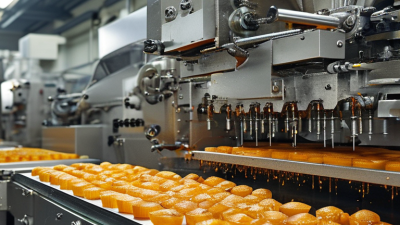
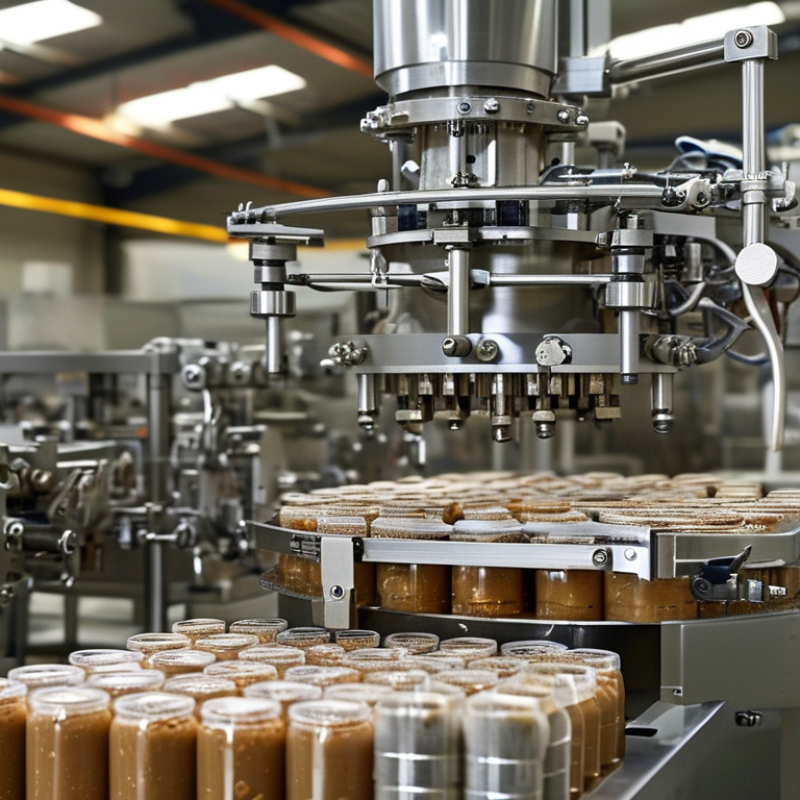
For global buyers, food machinery is more than a production expense. It is the equipment that turns ingredients into safe, consistent, market-ready products. A filling line, for example, must control portion accuracy while handling temperature, viscosity, and cleaning demands. Small calibration errors can create thousands of rejected packages. They can also damage consumer trust.

Reliable equipment supports hygiene, productivity, traceability, and worker safety. Experienced buyers examine stainless-steel grades, accessible contact surfaces, sealing quality, and cleaning procedures. They also review output rates under real operating conditions, not only figures printed in a brochure. A machine rated for 120 packages per minute may perform differently with sticky sauces or irregular ingredients. Test results matter.

So do service networks.

Global purchasing involves more than comparing prices. Buyers need clear technical documents, installation guidance, spare-parts availability, and responsive maintenance support. Factory acceptance tests, sample production, and documented performance checks can reveal problems before shipment. Qualified engineers should confirm that the equipment matches the facility layout, utilities, product formula, and applicable food-safety requirements. Certification helps, but it never replaces careful verification.

Not every advanced machine is the right machine. A smaller processor may value simple controls and easy cleaning more than maximum speed. This point is often overlooked. Product changes, labor skills, and local support can affect the investment for years. Buyers should question optimistic promises and record measurable evidence. The best decision balances capacity, reliability, compliance, operating cost, and future flexibility. Food machinery is important because it connects business plans with daily production reality. That connection deserves practical scrutiny.
Why Is Food Machinery Important for Global Buyers?

Defining Food Machinery for a World of 8.2 Billion Consumers

Why Is Food Machinery Important for Global Buyers?

Defining Food Machinery for a World of 8.2 Billion Consumers

Food machinery is more than equipment that moves, cuts, cooks, or packs food. It is an integrated system that supports hygiene, consistency, efficiency, and traceability. For 8.2 billion consumers, small production errors can create large supply problems.

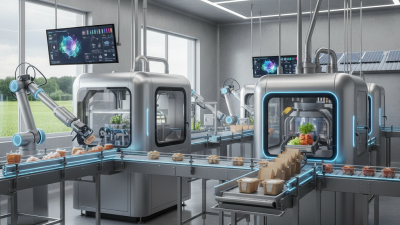
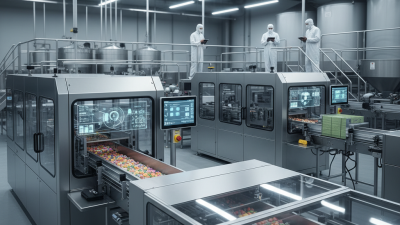
In a working plant, stainless steel conveyors carry vegetables toward a precise cutting unit. Sensors check temperature, weight, and filling levels. Sealed packaging helps protect food during transport. Automated cleaning systems also reduce residue in difficult corners. These details matter when buyers compare machinery for different climates, products, and production volumes.

A reliable machine should match real operating conditions. Operators need clear controls, safe access, and practical maintenance instructions. Engineers should verify capacity, material quality, energy use, and cleaning performance before purchase. Food safety procedures must remain central, even when production targets are demanding. Data records can support batch tracking and help identify process changes.

Machines are not perfect. Poor calibration can waste ingredients, while excessive automation may confuse inexperienced workers. I have seen efficient lines lose time because a simple sensor was overlooked. Buyers should question impressive specifications and examine daily usability instead. A machine that performs well in a brochure may struggle with sticky dough, uneven produce, or limited technical support. Human judgment still matters.

Reducing Losses: Mechanizing Systems Amid 13.2% Post-Harvest Waste

Why Is Food Machinery Important for Global Buyers?

Reducing losses starts after harvesting. The FAO’s 2023 food-loss estimates reported that 13.2% of global food production was lost between harvest and retail in 2021. This includes damage during handling, storage, transport, and processing. For global buyers, that figure represents more than wasted food. It also means higher purchasing costs, unstable supply, and weaker returns from each harvested kilogram.

Food machinery can reduce these losses through controlled washing, sorting, drying, cooling, and packaging. A gentle conveyor can prevent bruised fruit from reaching a loading truck. Temperature monitoring can protect leafy vegetables during long routes. Small leaks matter. However, equipment must match the product and local conditions. A conveyor running too fast may split tomatoes, while excessive drying can reduce weight and quality. Buyers should request measurable tests, including damage rates, moisture loss, energy use, and cleaning time.

The UNEP Food Waste Index Report 2024 estimated 1.05 billion tonnes of food waste in 2022 across households, food service, and retail. Its definitions differ from FAO’s post-harvest loss data, so direct comparisons require care. No machine is magic. Poor training, unreliable power, or incorrect calibration can create new losses. Experienced buyers should examine trial records, maintenance plans, operator procedures, and results from similar climates before approving a system.

Why Is Food Machinery Important for Global Buyers? - Reducing Losses: Mechanizing Systems Amid 13.2% Post-Harvest Waste

Decision Dimension Verified Data or Benchmark Relevant Machinery Why It Matters to Global Buyers Reference
Global post-harvest loss exposure The global Food Loss Index was estimated at 13.2% in 2021, measured from post-harvest activities up to, but excluding, retail. Harvesters, conveyors, dryers, cleaners, sorters, storage systems and monitoring equipment. Loss-reduction equipment can protect saleable volume before products enter international distribution channels. United Nations, SDG Indicator 12.3.1(a), Food Loss Index.
Moisture control in stored grain For many cereal grains, commercial storage commonly targets moisture levels near 13–14%; the correct limit depends on the crop, storage period and local standard. Grain dryers, moisture meters, aeration fans and temperature sensors. Controlled moisture reduces the risk of mold growth, heating, quality downgrades and rejected shipments. FAO, Grain Storage Techniques; USDA Grain Inspection Handbook.
Mechanical damage during handling Drop height, impact speed, conveyor transfer points and excessive compression are recognized causes of physical damage in grains, fruit and vegetables. Low-impact conveyors, belt elevators, padded transfer points, calibrated feeders and gentle sorting lines. Lower damage rates help preserve appearance, reduce microbial entry points and improve export-grade yield. FAO, Prevention of Post-Harvest Food Losses; UC Davis Postharvest Technology Center.
Sorting and grading consistency Codex standards use objective attributes such as size, color, moisture, defects and foreign matter to define food quality for many commodities. Optical sorters, vibrating screens, destoners, magnetic separators and calibrated graders. Repeatable grading supports contract specifications and reduces variability between production lots. Codex Alimentarius Commission, commodity standards and general food hygiene principles.
Foreign-material removal Food safety systems identify physical hazards, including stones, metal, glass and other foreign materials, as hazards requiring preventive controls. Screens, aspiration systems, destoners, magnets, metal detectors and X-ray inspection systems. Automated controls strengthen HACCP-based processes and reduce the probability of rejected or recalled consignments. Codex Alimentarius, General Principles of Food Hygiene, CXC 1-1969.
Cold-chain dependence Fresh produce quality declines faster when temperature and humidity are not controlled; cooling requirements vary by commodity and are not interchangeable. Pre-coolers, forced-air cooling systems, refrigerated rooms, data loggers and humidity controls. Temperature records help buyers verify handling conditions and protect shelf life during long-distance transport. FAO, Global Food Loss and Waste; UC Davis Postharvest Technology Center.
Traceability and process control HACCP requires monitoring of critical control points, corrective actions and verification activities; digital records improve access to process evidence. PLC-controlled lines, inline sensors, batch counters, barcode systems and cloud-connected data loggers. Documented process data supports audits, origin verification, dispute resolution and import compliance. Codex Alimentarius, General Principles of Food Hygiene, CXC 1-1969.
Buyer evaluation criteria Key measurable indicators include throughput, product recovery, moisture deviation, foreign-material detection, energy use per tonne and unplanned downtime. Integrated processing lines with sensors, variable-speed drives, automated alarms and preventive-maintenance functions. A common KPI framework allows buyers to compare machinery based on lifecycle performance rather than purchase price alone. FAO post-harvest management guidance; Codex food-control guidance.

Note: Loss rates, moisture limits and cooling conditions vary by commodity, climate, storage duration and applicable national or import-market standards. The 13.2% figure refers to the global Food Loss Index baseline for 2021 and excludes retail-stage waste.

Ensuring Food Safety Against 600 Million Annual Foodborne Illnesses

Why Is Food Machinery Important for Global Buyers?

The World Health Organization estimates that nearly 600 million people suffer foodborne illness annually. This figure makes machinery a safety tool, not merely a production asset. Contaminated surfaces, unstable temperatures, and poor water control can affect thousands of portions quickly. Reliable equipment helps reduce these risks through controlled processing and repeatable hygiene procedures.

For global buyers, hygienic design matters from the first inspection. Smooth stainless-steel surfaces leave fewer places for bacteria to hide. Easy disassembly supports thorough cleaning between production runs. Temperature sensors can monitor cooking, chilling, and storage conditions in real time. Automated dosing also limits human measurement errors. Small details matter.

Traceability systems can record batches, temperatures, cleaning cycles, and operator checks. These records support investigations when something seems wrong. However, machinery is not a guarantee. A neglected seal can collect residue. A poorly calibrated sensor can create false confidence. Workers still need training, documented procedures, and regular maintenance. Buyers should examine service access, spare-part availability, sanitation validation, and local technical support before purchasing. In practice, the cheapest machine may become expensive after repeated stoppages or difficult cleaning. Safety depends on disciplined use, not impressive specifications alone.

Why Is Food Machinery Important for Global Buyers?

Ensuring Food Safety Against 600 Million Annual Foodborne Illnesses

600 million people are estimated to suffer from foodborne illnesses globally each year.

Food machinery plays a critical role in reducing contamination risks through hygienic design, controlled processing, reliable temperature management, and consistent sanitation. According to the World Health Organization's global estimates based on 2010 data, foodborne diseases cause approximately 420,000 deaths annually, including about 125,000 deaths among children under five.

Source: World Health Organization, Estimates of the Global Burden of Foodborne Diseases, 2015. The 5+ estimate is calculated as total deaths minus deaths among children under five.

Improving Output, Consistency, and Labor Efficiency Through Automation

Why Is Food Machinery Important for Global Buyers?

Automated food machinery improves output by keeping each cycle measurable and repeatable. Sensors monitor temperature, weight, filling speed, and sealing pressure. Operators can spot deviations before they become large batches of waste. This matters when buyers manage several shifts, changing products, or distant production sites.

The International Federation of Robotics reported 541,302 industrial robots were installed worldwide in 2023. More than 4.28 million industrial robots were operating globally. Food production uses only part of this capacity, but the direction is clear: automation is becoming normal, not experimental. Reliable machines also reduce repetitive lifting and manual checking. Workers can focus more on maintenance, quality decisions, and process improvement.

Consistency is practical. A controlled depositor can deliver similar portions at 7 a.m. and 7 p.m. A vision system can identify misshapen products faster than tired human inspection. The Food and Agriculture Organization estimates that 13.2% of food is lost between harvest and retail. Better handling, dosing, and storage equipment may help reduce avoidable losses, although machinery alone cannot solve poor planning or weak training.

Real results are less tidy. A fast machine can create more waste if settings are wrong. Some buyers also underestimate cleaning time, spare parts, and operator training. Total cost should include downtime, water use, energy demand, and local technical support. The best equipment is not always the fastest. It is the machine that performs steadily under actual factory conditions.

Assessing Global Buyers’ Priorities: Capacity, Compliance, Energy, and Cost

Why Is Food Machinery Important for Global Buyers?

Assessing Global Buyers’ Priorities: Capacity, Compliance, Energy, and Cost

Food machinery directly affects production speed, product consistency, worker safety, and long-term operating costs. Global buyers rarely evaluate equipment by output alone. A line producing 1,000 packs per hour may appear suitable, but changeovers, cleaning, and maintenance can reduce real capacity. Rated capacity is not daily capacity.

Practical assessments should examine the full production cycle. Buyers need clear data on throughput, product size, filling accuracy, and downtime. Factory acceptance tests can reveal problems before shipment. Yet test conditions may be cleaner and simpler than real production. This difference deserves careful review.

Compliance is equally important. Machinery should support hygienic design, traceable materials, safe access, and suitable documentation for the destination market. Local requirements can differ, so buyers should confirm them with qualified technical and regulatory professionals. Energy use also needs measurement under normal loads, not only ideal settings. Efficient motors, heat recovery, insulation, and smart control systems may reduce electricity and water consumption. Small savings matter when equipment runs continuously.

Purchase price is only one part of cost. Installation, spare parts, training, sanitation time, and planned maintenance can change the final figure. A low-cost machine may become expensive after repeated stoppages. Conversely, premium features may not create value for every factory. The better question is whether each feature supports actual products, volumes, and workforce skills. Realistic calculations are difficult, but vague estimates are worse.