Why Process and Packaging Matter for Global Buyers?
Global buyers evaluate more than a product’s appearance or quoted price. They examine how consistently it is made, protected, documented, and delivered. This is why process and packaging matter in international purchasing decisions.
A reliable process creates predictable quality across different production batches. Buyers may review inspection records, quality controls, material specifications, and traceability systems. A clear process also reduces avoidable delays, especially when orders cross borders and involve several suppliers. Small details matter. A readable batch code can simplify a warehouse check. Accurate measurements can prevent costly misunderstandings. Still, no process is perfect. Suppliers should identify weaknesses honestly and explain how they manage them.
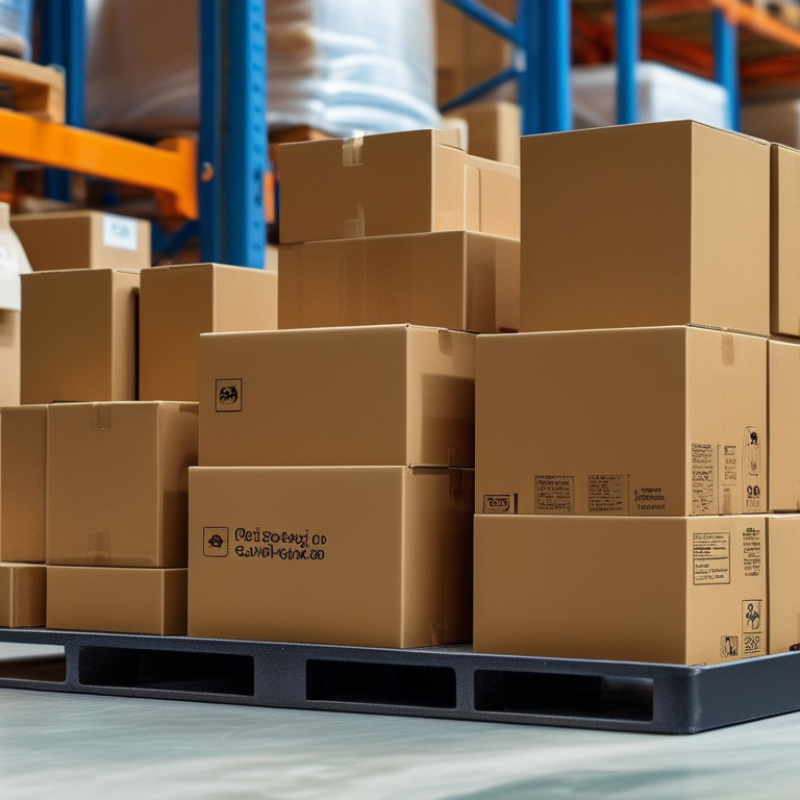
Packaging protects products during handling, storage, and transportation. Strong cartons, secure seals, moisture barriers, and suitable cushioning can reduce damage in real shipping conditions. A container may face vibration, temperature changes, pressure, or repeated loading. Buyers also consider labeling, recyclability, storage instructions, and package size. These details affect compliance, warehouse efficiency, customer trust, and total landed cost. Good packaging is not simply attractive. It must fit the product and its journey.
Experienced buyers ask practical questions before placing large orders. Can the supplier repeat the same quality? Are testing records available? Does the packaging suit the destination market? Can production changes be communicated quickly? These questions create a more dependable purchasing relationship. They also reveal an important limitation: polished samples cannot replace verified performance. Careful evaluation, transparent communication, and documented controls give global buyers stronger evidence before they commit.
What Process and Packaging Mean in Global Trade
In global trade, process means the repeatable path a product follows from order to delivery.
It covers specifications, production checks, inspection points, documentation, and shipment coordination.
Packaging is the physical system protecting that process.
A strong carton, moisture barrier, and stable pallet can prevent damage before it starts.
I have learned that buyers often judge reliability through small details: clear batch marks, accurate counts, and clean seals.
Those details speak loudly.
For a buyer, process creates visibility.
A supplier should explain when materials are approved, how defects are handled, and who releases the final shipment.
Simple records matter.
Photos from packing, weight checks, and signed inspection reports can reduce confusion across time zones.
Packaging must also match the route.
Air freight, long sea journeys, humid storage, and repeated handling create different risks.
A package designed for a dry warehouse may fail beside a warm container wall.
That failure is expensive, but preventable.
Reliable trade teams test packaging before large production, rather than trusting appearance alone.
They check compression, drop resistance, inner movement, and label readability.
I once underestimated how quickly loose internal space could turn a neat carton into a damaged delivery.
That mistake changed my review checklist.
Still, no process is perfect.
Suppliers and buyers should record exceptions honestly, investigate patterns, and adjust instructions when evidence demands it.
Receiving teams can then compare the delivered carton with the approved packing record.
How Production Processes Affect Product Quality
Why Process and Packaging Matter for Global Buyers?
How Production Processes Affect Product Quality
Global buyers often judge quality before opening a carton. The production process leaves evidence in every unit. Uneven sealing, unstable dimensions, and scratched surfaces usually reflect weak process control.
ISO’s 2022 Survey recorded more than 1.2 million ISO 9001 certificates worldwide. Certification alone does not guarantee consistent products. Factories still need clear work instructions, calibrated equipment, and records from each batch. A 0.3-millimeter sealing variation can create leakage after weeks in transit. Operators should check temperature, pressure, and dwell time, not only the finished appearance.
Packaging is also part of production quality. UNCTAD reports that maritime shipping carries over 80% of global merchandise trade by volume. Long routes expose products to vibration, humidity, compression, and sudden temperature changes. Strong cartons cannot repair poor assembly. Buyers should request drop-test results, compression data, and packaging specifications before approval. They should also inspect inner protection, label accuracy, and pallet stability.
We still overtrust final inspection. That deserves scrutiny. A factory may remove defective pieces while repeating the same process error. In my experience, simple hourly checks often reveal more than one late inspection. Yet production teams can miss small risks when schedules become tight. Quality records should include rejected units, corrective actions, and photos of actual packing conditions. These details make supplier claims easier to verify.
Why Process and Packaging Matter for Global Buyers?
Quality-Control Sample Size by Production Lot Size
The chart follows the sample-size structure specified by ISO 2859-1, Normal Inspection, General Inspection Level II. As production lots become larger, buyers and manufacturers inspect more units to detect process variation, packaging defects, and inconsistent product quality before shipment.
How Standards and Compliance Shape Buyer Decisions
Global buyers rarely judge a shipment by appearance alone. They inspect process evidence, packaging controls, and compliance records. This is practical risk management, not paperwork theater. The World Bank’s 2023 Logistics Performance Index covered 139 economies and exposed uneven customs, tracking, and delivery performance. When a factory cannot show batch records, inspection results, or corrective actions, confidence weakens quickly. Small gaps become expensive delays.
The ISO Survey 2022 recorded 1,265,216 valid ISO 9001 certificates worldwide. That figure shows how widely quality systems are recognized across global supply chains. It does not prove every factory performs equally. Buyers still seek controlled procedures, calibrated instruments, supplier evaluations, and traceable lot codes. Packaging receives similar attention. They may check moisture barriers, compression strength, pallet dimensions, labels, and material declarations. One missing document can force rework, even when the goods meet specifications.
UNCTAD’s Review of Maritime Transport 2023 notes that over 80% of global merchandise trade by volume moves by sea. Packaging must survive stacking, humidity, vibration, and long storage. An unprotected corner can damage both the product and the buyer’s schedule. Compliance is not magic. A neat audit folder may hide weak shop-floor habits, and that uncomfortable gap deserves attention. Practical buyers compare certificates with samples, records, and packaging tests before approving a supplier.
How Process and Packaging Build Trust in Global Markets
Global buyers rarely trust a product from specifications alone. They trust the process behind it. Clear production stages, inspection records, and realistic delivery updates show that a supplier controls its work. A buyer should know who checks the goods, when checks happen, and how problems are recorded.
Packaging turns that process into a physical experience. A strong carton, dry inner barrier, and readable batch label protect more than the product. They protect confidence during storage, customs handling, and long-distance transport. In practice, buyers often notice small details first: sealed edges, consistent labels, clean pallets, and documents that match the shipment. These details reduce questions before they become disputes.
We have learned that “standard packaging” is not always suitable for every market. Humidity, temperature changes, stacking pressure, and warehouse conditions can expose weak choices. A package may pass a factory check but fail after weeks at sea. That possibility deserves honest discussion.
Suppliers can improve trust by sharing packaging tests, loading photos, material specifications, and corrective actions when something goes wrong. Even a simple shipment checklist helps. It creates evidence, not promises.
Trust also grows when suppliers admit limits. If a delivery estimate depends on a port schedule, say so clearly. If packaging needs adjustment, discuss it before production. Consistent communication makes the process easier to verify, and reliable verification helps global buyers make confident decisions.