


2026 Best Hygienic Food Packaging Types for Global Buyers
In 2026, global food buyers face a practical question: which packaging protects food without creating unnecessary waste? Hygienic food packaging now covers more than clean-looking containers. It includes safe materials, strong seals, controlled production, traceable batches, and packaging that suits the product’s temperature and moisture levels. A chilled salad needs different protection from roasted coffee or frozen seafood. Small details matter, such as a seal that remains intact after cold storage or a lid that opens without touching the food. Buyers should review supplier specifications, migration test results, hygiene certifications, and independent audit records before making a decision. Marketing claims alone are not enough.
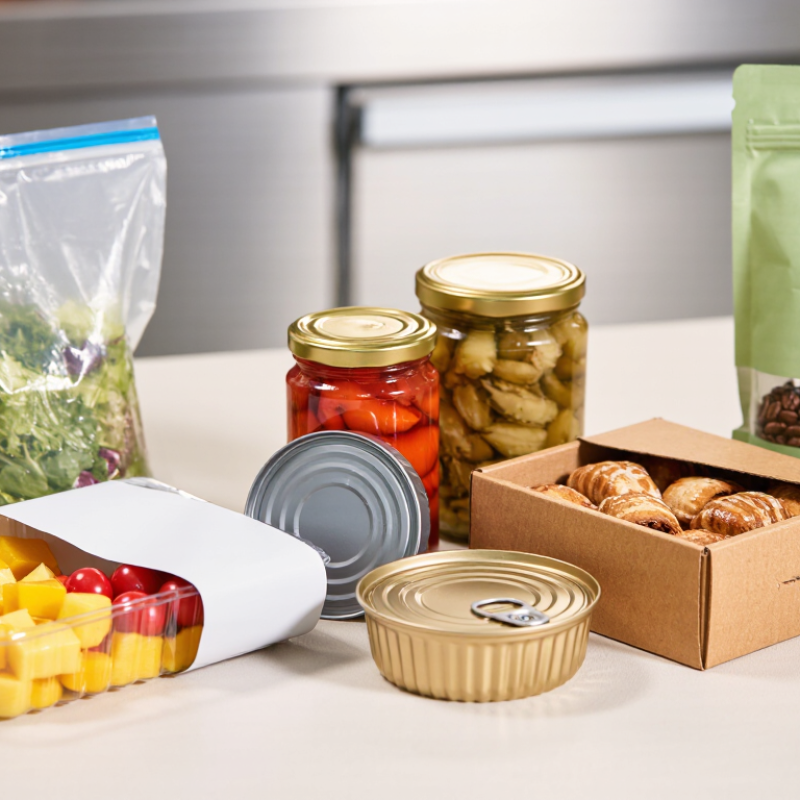
This guide examines flexible pouches, rigid trays, glass jars, metal cans, paper-based packs, and newer recyclable formats. Each option offers benefits, limitations, and cost considerations. No package is perfect. A recyclable structure may require stricter moisture control, while a durable multilayer pack may be harder to recycle. That trade-off deserves honest evaluation. Regional food-contact rules, labeling requirements, and recycling systems also differ widely. Experienced buyers should confirm compliance in every target market, not rely on one certificate. They should also test real samples under transport, stacking, humidity, and temperature conditions. A package can look reliable on a specification sheet, yet fail after rough handling. This overview provides a professional framework for comparing hygiene, product protection, sustainability, supplier reliability, and total ownership cost. Feel the seal. Check the evidence. That practical discipline often reveals more than attractive packaging language.
What Makes Food Packaging Hygienic for Global Markets in 2026
2026 Best Hygienic Food Packaging Types for Global Buyers
What Makes Food Packaging Hygienic for Global Markets in 2026
Hygienic packaging begins with food-contact materials that resist moisture, grease, odors, and chemical migration. Smooth, non-porous surfaces leave fewer places for residue and microorganisms to collect. Clean design matters. Practical packaging audits often inspect seal edges, corners, closures, and printing areas. Small gaps matter. Packaging should also protect food during filling, transport, storage, and repeated temperature changes.
Flexible pouches, rigid trays, glass containers, metal cans, and paper-based structures can all support safe food packaging. Their performance depends on correct material selection and reliable manufacturing controls. A strong package needs an effective barrier against oxygen, water vapor, light, and dust. Seal strength testing can reveal weak points before products reach distribution centers. Clear batch records and traceability also help buyers investigate defects quickly.
Global buyers should request migration data, hygienic production evidence, and test results for the intended food type. Requirements may differ by market, product acidity, filling temperature, and storage period. Recyclable structures are valuable, but they may require more careful barrier design. This trade-off is not always simple. A package can look clean while hiding poor sealing or contamination risks. Even experienced teams should review real transport conditions, because laboratory performance may not match crowded warehouses, humid ports, or rough handling.
| Packaging Type | Typical Food Applications | Hygiene and Barrier Performance | Typical Use Temperature* | Key Global Food-Contact References | Recycling or Recovery Route | Best-Fit Buyer Requirement | Important Limitation |
|---|---|---|---|---|---|---|---|
| PET Bottles and Trays | Water, beverages, sauces, edible oils, fresh produce, ready meals and chilled foods. | Good moisture and gas barrier; transparent; smooth, non-porous surface supports effective cleaning and visual inspection. Suitable for sealed packaging and modified-atmosphere formats when correctly designed. | Commonly used for chilled and ambient products. Standard PET is generally not intended for high-temperature processing unless a heat-set grade and validated process are used. | Food-contact compliance is normally assessed against the destination market’s plastic food-contact rules, including applicable EU, U.S. and other national requirements. | Widely accepted in PET recycling streams where collection and sorting infrastructure exists. Recycled content must meet applicable food-contact requirements. | Clear presentation, lightweight distribution, good impact resistance and established recycling systems. | Barrier performance can be insufficient for oxygen-sensitive foods without coatings, additives or multilayer construction. |
| HDPE Containers | Milk, dairy products, sauces, powders, edible oils, household-size food containers and closures. | Strong moisture barrier, good chemical resistance and low odor transfer. Opaque grades protect light-sensitive products better than clear formats. | Commonly used for chilled and ambient foods. Hot-fill or thermal-processing suitability depends on container design, resin grade and validation. | Must comply with the relevant food-contact legislation and overall and specific migration limits in the target market. | Commonly recyclable through HDPE/polyolefin streams where collection and sorting are available. Closures and labels may require compatible material selection. | Durability, leak resistance, stackability and reliable performance in cold-chain distribution. | Usually offers lower oxygen and carbon-dioxide barrier than high-barrier laminates or glass. |
| PP Cups, Tubs and Trays | Yogurt, margarine, frozen foods, microwaveable meals, deli foods and hot-fill products. | Good moisture barrier and strong resistance to many food components. Heat resistance is generally better than that of standard polyethylene formats. | Suitable grades can support hot filling, microwave use or retort processing, but the exact temperature and time limits must be validated for each structure. | Food-contact suitability is determined by the formulation, additives, colorants, processing conditions and destination-market regulations. | Increasingly compatible with polypropylene recycling streams, although availability varies significantly by country and municipality. | Heat resistance, low weight, sealability and suitability for single-serve or portion-controlled formats. | Unfilled PP may require barrier layers or coatings for products needing extended oxygen or aroma protection. |
| Glass Jars and Bottles | Baby food, sauces, preserves, beverages, pickles, dairy desserts and premium foods. | Excellent barrier against oxygen, moisture and aroma transfer; inert and non-porous; supports strong product protection when closures and seals are correctly controlled. | Can tolerate hot filling and some thermal-processing conditions, but thermal-shock resistance depends on glass type, wall design and process control. | Food-contact safety depends on the glass composition, coatings, closures, inks, sealants and applicable national requirements. | Highly recyclable in established glass-collection systems. Reuse is possible in controlled return systems with validated washing and inspection. | Long shelf life, premium appearance, product neutrality and excellent barrier performance. | Higher weight and breakage risk increase transport energy, handling requirements and supply-chain damage exposure. |
| Aluminum Cans | Carbonated drinks, seafood, ready-to-eat meals, pet food and shelf-stable foods. | Near-total barrier to light, oxygen, moisture and microorganisms when the container and closure remain intact. Internal coatings help prevent food-metal interaction. | Suitable for retort and thermal-processing applications when the can design, coating system and process are validated. | Food-contact assessment must include the metal, internal coating, inks, seal compounds and processing conditions. | Highly recyclable where collection systems exist. Recycling saves substantial energy compared with primary aluminum production, but recovery rates vary by market. | Long ambient shelf life, strong protection, tamper evidence and efficient stacking. | Dents, corrosion, coating damage or seam defects can compromise package integrity and require strict quality control. |
| Aseptic Multilayer Cartons | UHT milk, plant-based beverages, juices, liquid foods and other shelf-stable products. | Combines paperboard stiffness with polymer sealing layers and, in some structures, a very thin aluminum or high-barrier layer. Sterile filling and hermetic sealing protect the product after processing. | Designed primarily for commercially sterile, shelf-stable filling. It is not automatically suitable for retort processing or reheating after filling. | Requires control of paperboard, polymers, barrier layers, inks, adhesives and aseptic-processing validation under the destination market’s rules. | Recyclability depends on specialized fiber recovery and local collection infrastructure because the package contains bonded material layers. | Low distribution weight, long ambient shelf life and efficient rectangular pallet utilization. | Multimaterial construction can make recycling access and consistent material recovery more difficult. |
| Paperboard Cartons with Barrier Coating | Dry foods, cereals, frozen foods, bakery products, confectionery and secondary food packaging. | Paperboard provides stiffness and printability; polymer, dispersion or other barrier coatings improve resistance to grease, moisture and aroma migration. | Temperature performance depends on the coating, adhesive and board structure. Freezer, ovenable and microwaveable claims require separate validation. | Food-contact compliance includes fiber sourcing, recycled-fiber controls, coatings, adhesives, inks and mineral-oil or other migration risks where relevant. | Often recyclable in paper streams when coatings and food residues do not prevent acceptance. Laminated structures may require specialized collection. | Low weight, efficient shipping, strong branding surface and renewable-fiber content when responsibly sourced. | Paper alone is not a sufficient barrier for wet, greasy or oxygen-sensitive foods without an appropriate functional coating or liner. |
| High-Barrier Flexible Laminates | Snacks, coffee, powdered foods, frozen foods, sauces, pet food and shelf-stable products. | Can provide very strong oxygen, moisture, light and aroma barriers through combinations of polymers, aluminum foil, metallized films or barrier coatings. Hermetic seals are essential to hygiene. | Available in chilled, frozen, hot-fill and retort structures, but the specific laminate and seal system must be validated for the process. | Every layer, adhesive, ink and sealant must be evaluated for food-contact compliance and migration under intended conditions of use. | Monomaterial polyethylene or polypropylene designs may improve recyclability where suitable collection exists; foil and mixed laminates are more difficult to recycle mechanically. | Very low package weight, high product-to-package ratio and excellent protection for oxygen- or moisture-sensitive foods. | Multilayer construction, small formats and food residues can reduce practical recyclability in many markets. |
| Molded Fiber Food Packaging | Egg cartons, produce trays, bakery packs, foodservice containers and dry or semi-dry foods. | Fiber is naturally porous and usually needs a coating or liner for grease, liquid and microbial-barrier performance. Hygienic results depend strongly on forming, drying, storage and sealing controls. | Temperature and moisture resistance vary widely. Ovenable, microwaveable, chilled and frozen claims require product-specific testing. | Food-contact assessment should cover virgin or recycled fibers, additives, coatings, adhesives, inks and potential chemical migration. | Often recoverable through paper or fiber systems when clean and accepted locally. Coatings and wet food residues may reduce fiber recovery. | Renewable-fiber positioning, cushioning, lightweight construction and reduced plastic use in suitable applications. | Uncoated fiber is generally unsuitable for prolonged contact with wet, oily or highly acidic foods. |
| Buyer checklist for 2026: Confirm food-contact compliance in every destination market; define the required shelf life and barrier level; validate seal integrity and tamper evidence; review temperature, filling and sterilization conditions; control migration, odor and allergen risks; specify clean manufacturing and storage practices; and verify the actual local collection or recycling route rather than relying only on a recyclability symbol. Temperature ranges and recycling outcomes are structure-, process- and market-dependent and must be confirmed through supplier documentation and testing. | |||||||
Related Posts
-
10 Best Food Industry Packaging Suppliers Worldwide
-
Best Tips for Choosing Food in Packaging for Global Sourcing?
-
2026 Top Trends in Food Production Packaging for Global Buyers?
-
10 Best Food Packaging Solutions for Global Buyers?
-
Why is Food Processing Packaging Essential for Quality and Safety?
-

How to Choose Eco Friendly Food with Sustainable Packaging Solutions