7 Best Food Packaging Machines for Global Buyers?
Selecting a food packaging machine is not just a matter of choosing the fastest model. The right fit depends on the product, package format, production volume, and available floor space. A powder, a sticky sauce, and a fragile snack each behave differently on a production line. A chilled product may also need packaging that protects its quality during storage and transport. Small details matter. They do.
This guide introduces seven machine types global buyers commonly compare, including vertical form-fill-seal, premade pouch, vacuum, tray-sealing, and flow-wrapping equipment. Each handles different products and packaging tasks. A machine’s advertised speed is useful, but it tells only part of the story. Ask how quickly operators can change formats, how accessible cleaning points are, and whether spare parts and technical support are available in your region. A sample run with your actual product can reveal issues that a brochure cannot.
The best choice balances output, package quality, operating costs, and serviceability—not simply the lowest purchase price. Check that the machine can work with your selected film or containers, and confirm relevant food-contact and safety requirements for the markets you serve. Requirements vary, so verify them with qualified local specialists. Even a capable machine can become the wrong buy if maintenance is difficult or packaging materials are hard to source. No shortlist replaces careful testing, but these seven options offer a practical place to start.
How Food Packaging Machines Support Modern Production
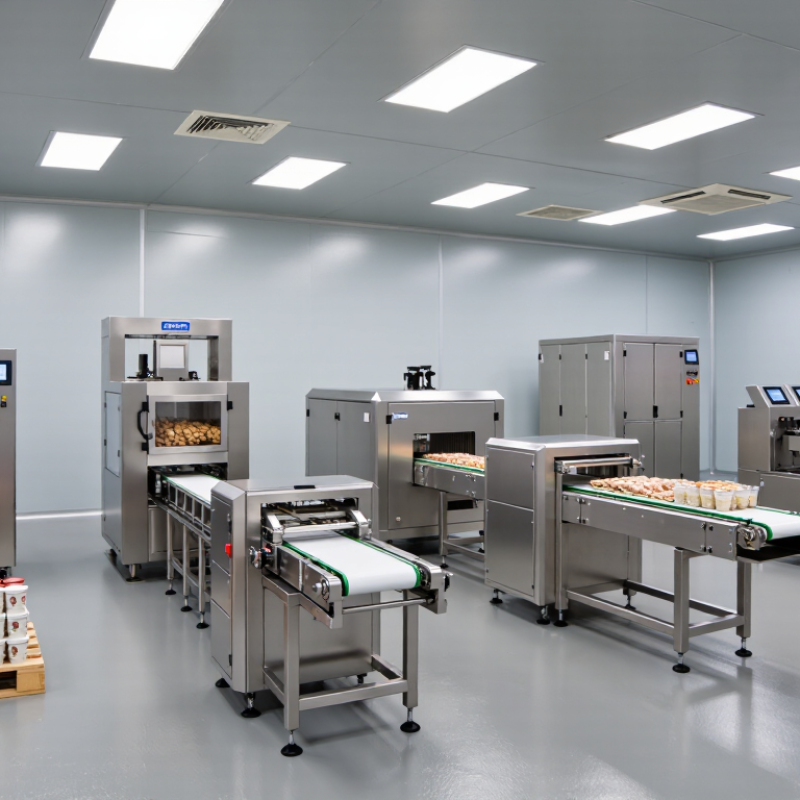
Modern food production depends on packaging machines that protect quality while maintaining steady output. Seven useful options include vertical form-fill-seal machines, horizontal flow wrappers, tray sealers, vacuum packers, pouch machines, carton erectors, and automatic labeling systems. Each machine serves a different product shape, material, and production speed.
In a working line, a vertical machine can fill rice, snacks, or frozen vegetables into measured bags. A tray sealer helps prepared meals resist leaks during transport. Vacuum equipment removes air from meat or cheese packages, supporting longer storage when correctly refrigerated. Checkweighing systems can also be added to reduce underfilled packs and material waste. Small improvements matter. A few grams saved per pack can become significant across thousands of units.
Modern systems often include sensors, touchscreen controls, and production data tracking. Operators can detect film breaks, sealing temperature changes, or inconsistent filling earlier. However, automation does not remove every risk. Dust, humidity, uneven products, and poorly trained staff still affect performance. I have seen efficient equipment lose time because cleaning access was ignored during selection. That detail deserves more attention. Machines should be judged by sealing accuracy, changeover time, sanitation design, spare-part access, and operator safety. Energy use and recyclable packaging compatibility also influence long-term value. A fast machine is not always the best machine.
Key Criteria for Comparing Food Packaging Machines
For global buyers, the best food packaging machine matches the product, film, labor, and market. This comparison covers seven practical formats: vertical form-fill-seal, horizontal flow wrapping, thermoforming, vacuum packaging, tray sealing, premade-pouch filling, and cartoning. A dry snack may suit vertical filling, while a delicate pastry often needs horizontal wrapping. Vacuum systems protect selected products but may deform soft foods. Thermoformers create consistent cavities, yet tooling changes can be expensive. Choose the application before chasing speed. No machine fits everything.
Compare actual throughput, not brochure speed. Request a witnessed test using your product, recipe, and packaging material. Measure packs per minute, seal stability, film waste, changeover time, and rejected packs. A machine producing 100 packs per minute is not efficient if eight percent need rework.
Check dosing accuracy with different particle sizes. Inspect the sealing area after cleaning. Look for trapped crumbs, difficult corners, and exposed threads. Sanitary design matters every day.
Total ownership cost includes tooling, spare parts, training, electricity, compressed air, and service response. Global buyers should verify electrical compatibility, language options, food-contact documentation, and cleaning procedures. Confirm the availability of critical parts in the destination country. Factory acceptance testing can reveal weak sensors or unstable seals before shipment. Site acceptance testing may expose different problems. That is normal. Leave time for adjustments. A careful buyer should also question optimistic production forecasts and record every assumption in the purchase specification.
Seven Food Packaging Machine Types for Global Buyers
Seven Food Packaging Machine Types for Global Buyers
Choosing a packaging machine starts with the product, not the catalog. Vertical form-fill-seal machines create bags for snacks and frozen vegetables; horizontal flow wrappers suit bars and bakery items. Vacuum packaging removes air around meats and cheeses, while thermoformers shape trays from film. Tray sealers close preformed containers, cup fillers handle yogurt and sauces, and cartoners group packaged goods for transport. Each type has trade-offs. A fast line can still struggle with sticky fillings or irregular product sizes.
The FAO’s 2023 report, The State of Food and Agriculture, estimates that 13.2% of food is lost between harvest and retail. Packaging cannot prevent every loss, but a suitable seal and pack format can help protect food during handling and distribution. Buyers should check changeover time, cleaning access, spare-part availability, and compatibility with their actual film or containers. Ask suppliers to run trials using your product. A neat sample is not enough; test a full shift, too.
Tips: Bring real product samples and packaging materials to factory acceptance testing. Record seal quality, waste, and output per minute. Leave room for uncertainty: figures from a short trial may not reflect a busy production day.
How Machine Types Match Different Foods and Packaging Formats
7 Best Food Packaging Machines for Global Buyers
Choosing among seven common food packaging machines depends on the product, portion size, and final package format. Vertical form-fill-seal machines suit rice, grains, snacks, and powders. They create bags from a roll of film, saving space and material. However, fragile chips may break during filling without gentle product handling.
Horizontal form-fill-seal machines work well for biscuits, cereal bars, and bakery items. Their controlled wrapping protects solid products in pillow or fin-seal packs. Premade pouch machines fit sauces, pet food, coffee, and ready-to-eat products. They support zipper, spout, and stand-up pouch formats. Liquid products need accurate dosing and strong seal inspection. Small leaks become expensive quickly.
Thermoforming machines form plastic trays around sliced meat, cheese, and fresh produce. They offer consistent portions and can support vacuum or modified-atmosphere packaging. Tray-sealing machines are suitable for prepared meals, fruit, and chilled foods. They seal lidding film onto rigid trays, often with easy-peel features. Vacuum packaging machines remove air from meat, seafood, and cheese before sealing. This can improve product protection, but excess pressure may damage soft foods. Cartoning machines group wrapped products, frozen meals, or pouches into retail cartons. In real facilities, cleaning access matters as much as speed. A machine that matches the food but slows sanitation is not a strong choice. Testing with actual ingredients, film, temperature, and filling weights reveals problems that brochures often miss. Some early assumptions will be wrong. That is normal.
7 Best Food Packaging Machines for Global Buyers
How machine types match different foods and packaging formats
Bars show representative output rates in packages per minute, not guaranteed machine specifications. Actual speeds vary with product, package size, filling method, number of lanes, and machine configuration.
Common matches: VFFS—snacks and powders in bags; HFFS flow wrappers—bakery items and bars; premade-pouch fillers—dried foods and sauces; cup fillers—yogurt and desserts; bottle fillers—beverages and edible oils; thermoform-fill-seal machines—sliced foods in formed packs; cartoners—boxed or multipack foods.
What Global Buyers Should Check Before Purchasing a Machine
Before purchasing a food packaging machine, match its rated speed to your real production needs. A line advertised at 80 packs per minute may run slower with sticky sauces, uneven pieces, or frequent film changes. Ask suppliers to test your actual product and packaging material. Watch for jams, seal wrinkles, and product trapped in the sealing area. Small problems become expensive during a full shift.
Check whether operators can clean and inspect the machine without awkward reach or hidden residue traps. Request details on changeover time, spare-part availability, training, and remote support across your time zone. Confirm the required power, compressed air, floor space, and ventilation before delivery. Looks good on paper. It may still need adjustments on your floor.
Review sample packs under normal handling conditions, not only fresh from the machine. Check seal strength, fill accuracy, and how clearly operators can read alarms. Ask for written acceptance criteria and a breakdown of installation, maintenance, and consumable costs. A cheaper purchase price can hide a long service delay or costly format change. Even careful planning misses something; record your trial results and leave room for practical adjustments.