What Is Processing Packaging and Why Is It Important?
Processing packaging refers to the systems that prepare, protect, and present products during production. It connects manufacturing steps with the package reaching the customer. A sealed tray, a measured pouch, or a coded carton can all be part of this process. Each choice affects product safety, quality, shelf life, and handling efficiency. Processing packaging also helps control moisture, oxygen, light, pressure, and contamination. These details matter on a busy production line.
Small failures can create large consequences.
From practical quality checks, packaging performance depends on more than attractive design. Operators inspect seal strength, filling accuracy, package cleanliness, and label readability. Sensors may track temperature, weight, or pressure during production. Traceability codes help teams identify a batch when questions arise. Reliable packaging should also suit storage, transport, opening, and disposal conditions. Industry professionals typically assess these factors against applicable safety standards and documented quality procedures. However, no system is perfect. A strong seal may still fail after rough transport, while efficient automation can hide an overlooked defect. That is why regular testing, staff training, and honest review remain essential. Processing packaging is important because it protects the product and supports consistent operations. It can reduce waste, improve workflow, and build customer confidence. Its value is practical, measurable, and easy to overlook until something goes wrong.
Definition and Scope of Processing Packaging
Processing packaging refers to the systems that prepare, protect, and present products during or after production. Its scope extends beyond a simple box or pouch. It includes filling, weighing, sealing, coding, labeling, inspection, and controlled storage. In a food facility, this may mean placing a measured portion into a barrier tray, removing excess air, and checking the seal. In pharmaceutical production, it can involve unit-dose packaging, tamper evidence, and traceable batch information.
The process connects materials, machinery, people, and quality controls. Packaging materials must suit the product’s moisture, oxygen, temperature, and handling risks. Equipment settings also matter. A weak seal can expose contents, while excessive heat may damage sensitive products. Clear labeling supports correct use and helps workers trace a batch when questions arise. Small details matter.
Real operations are rarely perfect. Dust, uneven film tension, or a poorly adjusted sensor can interrupt a line. Regular sampling, documented inspections, and preventive maintenance reduce these failures. However, the term processing packaging is not defined identically across every industry. Some organizations include preparation steps, while others focus only on final packing. That difference deserves attention when writing specifications, training staff, or evaluating compliance. A practical definition should match the product, process conditions, intended shelf life, and applicable safety requirements.
Key Materials and Packaging Formats
Processing packaging connects manufacturing conditions with the final package. It must protect contents during filling, sealing, storage, and transport. Material selection affects freshness, strength, safety, and production speed. Small details matter.
Flexible films are common for pouches and sachets because they use little material and support efficient sealing. Paperboard suits cartons and sleeves, especially when clear printing and easy stacking are needed.
Glass offers strong chemical resistance and product visibility, while metal provides excellent protection against light and oxygen. Barrier coatings can improve performance, but they may complicate recycling.
Packaging formats should match the product’s texture, weight, and handling needs. Rigid trays protect delicate portions. Bottles support controlled pouring. Jars allow repeated access, while cartons create stable shipping units. In processing trials, seal temperature, film thickness, and filling speed often change the result. A package can look suitable yet fail after vibration or humidity exposure.
Not every format fits. I have seen designs prioritize appearance while overlooking grip, opening force, or warehouse stacking. Those weaknesses are easy to miss during a short inspection. Practical evaluation should include drop checks, leak tests, storage conditions, and operator feedback before large-scale production.
How Processing Packaging Works Step by Step
What Is Processing Packaging and Why Is It Important?
How Processing Packaging Works Step by Step
Processing packaging connects product preparation with safe, efficient packing. The process starts when materials arrive at the facility. Operators check temperature, weight, moisture, and visible damage. Clean equipment then washes, sorts, cuts, blends, or cooks the product. Each step needs recorded settings and traceable batch codes.
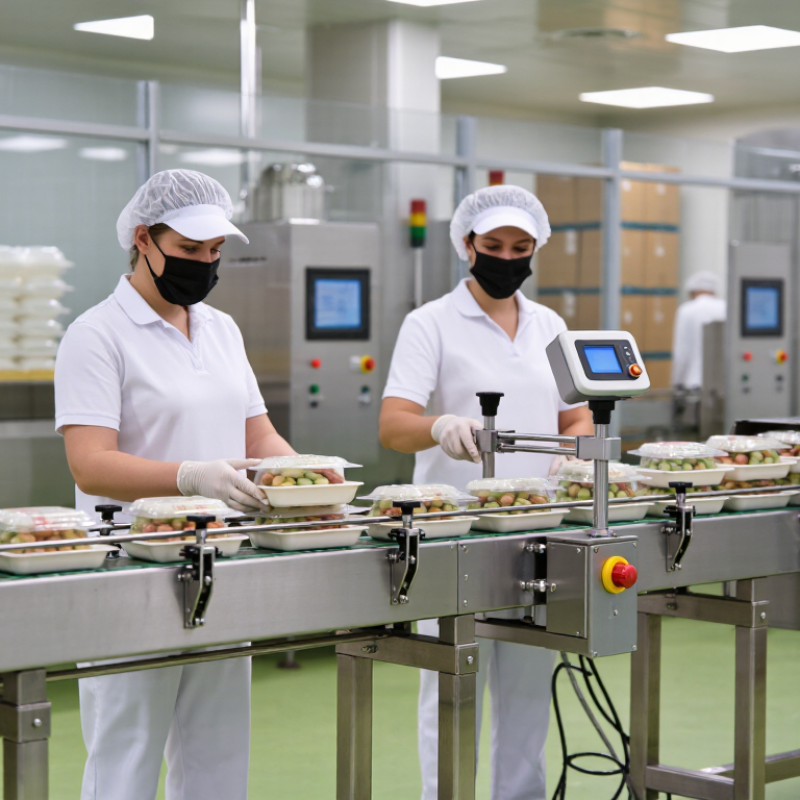
The packaging stage follows a controlled sequence. The machine forms a pouch, tray, carton, or bottle. It fills the measured product and removes excess air when required. Heat, pressure, or adhesive then creates the seal. Sensors inspect seal strength, fill level, label position, and code readability. Rejected units leave the line automatically. Approved packs move into cases and onto pallets.
Small details matter. A weak seal can expose food to oxygen or moisture. Poor coding can also slow recalls and inventory checks. The FAO reports that 13.2% of food is lost between harvest and retail. Better processing and packaging controls can reduce some of that loss. The UNEP Food Waste Index Report 2024 estimates 1.05 billion tonnes of food waste occurred in 2022. That figure demands practical improvements, not only faster machines. In real facilities, operators still adjust settings manually. Mistakes happen. Packaging is not perfect, but measured checks make failures visible and easier to correct.
Main Functions in Product Protection and Preservation
What Is Processing Packaging and Why Is It Important?
Processing packaging is the engineered layer surrounding a product after production. It protects contents from impact, moisture, oxygen, light, contamination, and temperature changes. Its preservation role begins with material selection. A high-barrier film may slow oxygen entry, while a rigid tray can prevent crushing during transport. Small failures matter. One weak seal can expose an entire batch to air or microorganisms.
The FAO’s 2019 State of Food and Agriculture report estimated that 14% of food is lost between harvest and retail. The UNEP Food Waste Index Report 2024 reported 1.05 billion tonnes of food waste in 2022. These figures do not prove packaging solves waste. They show why protection must be designed carefully. A suitable package can extend usable life, reduce leakage, and maintain texture. However, excessive packaging may increase material consumption. Protection must fit the product.
Professional teams test packaging through drop, vibration, compression, and seal-integrity trials. They also measure oxygen transmission, water-vapor transmission, and temperature performance. Processing conditions matter too. A package that works for dry goods may fail with acidic or oily products. Packaging decisions are rarely perfect. A practical review should question whether every layer is necessary, durable, and easy to handle. Good preservation depends on the product, process, package, and distribution environment working together.
What Is Processing Packaging and Why Is It Important?
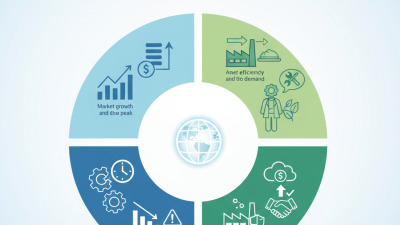
Processing packaging helps protect products from contamination, moisture, oxygen, light, physical damage, and temperature changes. By supporting product preservation and safer distribution, packaging can help reduce losses throughout the supply chain.
Global food loss is estimated at 14% between post-harvest and retail, while an additional 17% of food is wasted at the retail, food service, and household levels. The figures use different reporting scopes and are shown as separate indicators rather than a combined total.
Sources: FAO, “The State of Food and Agriculture 2019”; UNEP, “Food Waste Index Report 2021.”
Safety, Sustainability, and Industry Applications
Processing packaging combines material selection, filling, sealing, labeling, and controlled handling. It protects products during processing, transport, storage, and use. In a food plant, operators may check seal temperature, oxygen levels, and package strength. A clean seal matters.
The safety case is substantial. The World Health Organization estimates that contaminated food causes 600 million illnesses and 420,000 deaths annually. Packaging cannot replace hygiene or validated thermal processing. It can, however, block moisture, oxygen, light, and post-process contamination. For ready meals, sterile barriers and traceable lot codes support safer recalls. Pharmaceutical packaging uses similar controls, especially against humidity and tampering. Yet no package is perfect. Poor sealing, temperature abuse, or unclear instructions can still undermine protection.
Sustainability requires harder choices. The UNEP Food Waste Index Report 2024 estimates that 1.05 billion tonnes of food were wasted in 2022. Better packaging can extend freshness, but excessive material can create another burden. The OECD’s Global Plastics Outlook identifies packaging as the largest plastics-use sector, representing about 40% of demand in 2019. Designers should therefore test lightweight films, recyclable structures, and refill systems against real collection infrastructure. A material may look recyclable yet fail locally. That uncomfortable gap deserves more attention. Performance data, life-cycle assessment, and worker experience should guide decisions in food, beverage, medical, and industrial applications.