

China Top 10 Food Industry Packaging Manufacturers?

China’s food industry packaging sector is expanding from basic protection into intelligent, sustainable, and export-ready solutions. Flexible films, rigid containers, paper-based packs, metal cans, and automated filling systems now compete across demanding food categories.

Smithers’ The Future of Global Packaging to 2028 forecasts the worldwide packaging market will surpass US$1.2 trillion by 2028. Food remains one of its largest end-use sectors. The report also highlights pressure to reduce material use, improve recyclability, and strengthen supply-chain performance. Mordor Intelligence similarly projects continued growth in the global food packaging market through 2029. These figures offer useful context, but forecasts are not guarantees.

Packaging expert Walter Soroka defines packaging as “the science, art, and technology of enclosing and protecting products for distribution, storage, sale, and use.” His wording captures the practical test behind this ranking. A package must survive transport, protect texture, communicate ingredients, and support efficient production.

This article introduces China’s top ten food industry packaging manufacturers through those criteria. We consider manufacturing scale, material capability, food-contact quality systems, machinery integration, export experience, and documented innovation. Company information comes from public filings, official product materials, certifications, and established industry research where available.

The ranking is not absolute. Supplier performance can vary by factory, product line, and market. A large producer may still provide limited customization. A smaller specialist may solve a difficult sealing problem better. Buyers should verify current certifications, testing records, lead times, and local regulatory compliance before signing contracts. That step matters. Packaging decisions touch food safety, waste, cost, and consumer trust.
China Top 10 Food Industry Packaging Manufacturers?

China’s Food Industry Packaging Manufacturing Landscape

China Top 10 Food Industry Packaging Manufacturers

China’s food packaging manufacturing landscape is broad, layered, and highly competitive. It includes flexible film converters, rigid container producers, paper packaging factories, and machinery suppliers. Many facilities serve domestic food processors, while others meet export requirements for moisture control, traceability, and transport durability.

Production quality depends on more than modern equipment. A reliable factory should show documented material testing, controlled clean areas, and repeatable sealing results. Common checks include oxygen transmission, seal strength, migration risk, and print adhesion. Factory audits should also review batch records, calibration logs, worker training, and complaint handling. Small details matter. A weak seal can spoil an entire pallet.

The strongest manufacturers usually combine automated inspection with experienced technicians. They can adjust barrier layers for dry snacks, frozen foods, sauces, or fresh produce. Paper-based options are expanding, but their grease resistance and humidity performance still require careful testing. Compostable materials also need realistic storage and disposal conditions. Claims can sound impressive, yet performance data may be incomplete. That is where buyers should remain cautious.

China’s supplier landscape changes quickly. Regional clusters offer different strengths, from low-cost volume production to advanced customized packaging. Price alone is an unreliable comparison. Lead time, tooling control, food-contact documentation, and after-sales communication often determine the real value. A thoughtful sourcing process should compare samples, factory evidence, and long-term consistency, not just a polished quotation.

Criteria for Ranking China’s Top Packaging Manufacturers

China Top 10 Food Industry Packaging Manufacturers

Ranking China’s top food industry packaging manufacturers requires more than production volume. A credible assessment starts with food-contact compliance, audited quality systems, and stable batch records. Inspectors should review certificates, testing reports, material specifications, and corrective-action logs. Factory experience also matters. Can the supplier maintain seal strength during humid summers and cold storage cycles? Small failures can damage trust.

Tips: Request recent samples, not only polished catalog pieces. Test barrier performance, print accuracy, sealing temperature, and transport durability. Ask how production data is traced from raw material intake to final shipment. Reliable factories explain lead times clearly and report defects without hiding them. Site visits, independent laboratory checks, and customer references add useful evidence. Price deserves attention, but an unusually low quote may reflect thinner material, weaker inspection, or missing service capacity.

A practical ranking should also measure engineering support, customization control, delivery consistency, and after-sales response. Sustainable material choices should be verified through data, not attractive claims. Recyclability can change with coatings, adhesives, and local collection systems. This is where rankings become imperfect. Public information may be incomplete, while factory conditions can change after an audit. Scores should show their dates, evidence sources, and weighting. A manufacturer with fewer machines may still outperform a larger rival through tighter process control and faster problem resolution. Credibility comes from checking details repeatedly.

China Top 10 Food Industry Packaging Manufacturers?

Criteria for Ranking China’s Top Packaging Manufacturers

The chart presents a transparent 100-point evaluation framework for food packaging manufacturers in China. Food-contact compliance, quality systems, production capacity, sustainable materials, customization, delivery performance, and research capability are assessed using commonly recognized industry requirements such as HACCP, ISO 22000, BRCGS, FSSC 22000, recyclable-material standards, and export logistics performance. No company or brand-level data is displayed.

Profiles of Ten Leading Chinese Food Packaging Manufacturers

China Top 10 Food Industry Packaging Manufacturers

China’s leading food-packaging manufacturers compete through traceability, barrier performance, and recyclable design. Smithers projects global flexible-packaging demand will exceed US$300 billion by 2028. Asia is expected to remain the largest regional market. China’s food manufacturing scale creates strong demand for reliable packaging. It also exposes weaknesses quickly.

The ten profiles below represent leading manufacturing capabilities. Profile 1 focuses on high-speed flexible films. Profile 2 specializes in retort pouches. Profile 3 produces coated paper cartons. Profile 4 develops recyclable mono-material structures. Profile 5 supplies rigid containers for chilled foods. Profile 6 supports frozen-food logistics. Profile 7 manufactures aluminum foil laminates. Profile 8 builds automated inspection equipment. Profile 9 handles small-batch production. Profile 10 integrates printing, converting, and laboratory testing. Their advantages include nearby supply chains and fast technical support. However, this grouping is imperfect. Revenue, export volume, patents, and audit results create different rankings.

Tips: Request migration-test records, batch traceability, seal-strength data, and food-contact declarations. Test samples under real filling conditions. A glossy package can still fail at the sealing jaw. The Ellen MacArthur Foundation’s Global Commitment 2023 report stresses packaging design for real collection systems. Laboratory recyclability may not equal local recyclability. Buyers should verify recycled-content consistency across repeated production runs. One successful trial proves very little.

China Top 10 Food Industry Packaging Manufacturers? - Profiles of Ten Leading Chinese Food Packaging Manufacturers

Rank Manufacturer Profile Primary Packaging Formats Common Materials Typical Manufacturing Processes Main Food Applications Relevant Compliance Frameworks Typical Export Capability
1 Flexible Packaging Specialist Pouches, sachets, roll stock, laminated films PE, PP, PET, BOPP, aluminum foil, paper laminates Film printing, dry or solvent-free lamination, slitting, pouch making Snacks, sauces, instant foods, coffee, frozen foods China GB 4806 series, ISO 9001, HACCP or ISO 22000 where implemented Custom printing, multilingual artwork, carton and pallet export packing
2 Retort Pouch Manufacturer Retortable pouches, spouted pouches, high-barrier bags PET/nylon/CPP structures, aluminum-containing laminates, retort-grade polypropylene High-barrier lamination, heat sealing, retort validation, leak testing Ready meals, pet food, curry, seafood, soups GB 4806 food-contact requirements, migration testing, customer retort specifications Suitable for shelf-stable products and private-label food programs
3 Paper and Paperboard Packaging Producer Folding cartons, paper bags, sleeves, corrugated cases Folding boxboard, kraft paper, corrugated fiberboard, coated paper Offset or flexographic printing, die cutting, folding, gluing Cereals, bakery products, tea, confectionery, dry foods GB 4806 paper and paperboard provisions, FSC chain-of-custody when certified Flat-packed shipping, recyclable fiber-based formats, export carton support
4 Plastic Bottle and Preform Manufacturer Bottles, jars, preforms, caps and closures PET, HDPE, PP, rPET where approved for the application Injection molding, stretch blow molding, extrusion blow molding, cap molding Water, beverages, edible oils, condiments, nutritional products GB 4806 plastics requirements, food-contact resin declarations, migration testing Lightweighting, bottle-and-closure supply, mold customization
5 Glass Food Container Manufacturer Jars, bottles, sauce containers, beverage bottles Soda-lime glass, colored glass, clear glass Glass forming, annealing, surface treatment, inspection and packing Sauces, pickles, honey, alcoholic beverages, baby food GB 4806 glass food-contact requirements, dimensional and thermal-shock testing Reusable-looking premium formats, strong barrier performance, container export packing
6 Metal Can and Lid Manufacturer Two-piece cans, three-piece cans, easy-open ends, metal lids Tinplate, electrolytic tinplate, aluminum, food-grade coatings Stamping, deep drawing, welding, coating, seaming and pressure testing Canned foods, seafood, meat, dairy powders, edible oils GB 4806 metal and coating provisions, seam integrity and coating performance tests Long shelf-life packaging, high mechanical strength, container-load optimization
7 Food Tray and Thermoformed Packaging Producer Trays, cups, tubs, clamshells and inserts PP, PET, PS, CPET and selected recycled-content plastics Sheet extrusion, thermoforming, trimming, sealing and visual inspection Fresh produce, meat, bakery, ready meals, dairy products GB 4806 plastics requirements, seal-strength testing, customer temperature specifications Retail-ready formats, modified-atmosphere packaging compatibility where designed
8 Aseptic and Liquid Food Packaging Supplier Aseptic cartons, liquid pouches, paper-based composite packs Paperboard, polyethylene layers, aluminum foil in high-barrier structures Multilayer extrusion or lamination, sterile-area converting, filling-system integration Milk, plant-based beverages, juice, liquid nutritional products GB 4806 applicable materials, aseptic-process controls, ISO 22000 or HACCP where implemented Integrated packaging-system support and long-distance liquid-food distribution
9 Edible Oil and Beverage Closure Specialist Screw caps, flip-top closures, dispensing caps, tamper-evident lids PP, HDPE, LLDPE and elastomer sealing components Injection molding, compression molding, liner insertion, assembly and torque testing Edible oils, sauces, beverages, dairy and household food products GB 4806 plastics and sealing-material provisions, torque and leakage testing Custom neck finishes, tamper evidence, automated filling-line compatibility
10 Sustainable and Compostable Packaging Developer Paper pouches, molded-fiber trays, recyclable mono-material films, compostable bags Paper fiber, molded pulp, PLA, PBAT blends, PE or PP mono-material structures Fiber molding, coating, film extrusion, printing, lamination and barrier testing Dry foods, takeaway foods, produce, snacks and selected bakery products GB 4806 applicable food-contact rules, recycling or compostability claims verified to the target market Material-reduction projects, recyclable designs and market-specific sustainability documentation

Note: The profiles describe established packaging-manufacturing categories and commonly used materials and compliance frameworks in China. Actual certifications, production capabilities and export approvals should be verified directly with each supplier before procurement.

Packaging Products, Materials, and Production Capabilities

China’s top ten food industry packaging manufacturers should be judged by products, materials, and production capabilities, not rankings alone. Strong suppliers may produce flexible pouches, rigid containers, trays, films, cartons, and protective transport packaging. Their material options can include PET, PE, PP, aluminum foil, paperboard, and recyclable mono-material structures. Each choice affects shelf life, sealing strength, printing quality, and disposal.

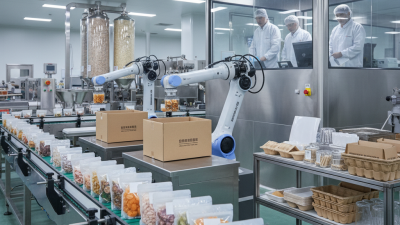
Experienced buyers should inspect production lines and request recent food-contact test reports. Look for controlled clean areas, automatic sealing equipment, vision inspection, and traceable batch records.

A capable manufacturer should manage small trials and large orders with consistent thickness and color. It should also explain migration testing, barrier performance, and temperature limits clearly. Claims about recyclability need evidence. They are not always simple.

Tips: Request samples from three production batches. Test seals after cold storage and transport vibration. Compare actual measurements with the specification sheet. Ask whether recycled content changes strength or odor. Confirm certificates with the issuing laboratory, not only a sales document. Factory visits can reveal gaps that photographs hide.

Pricing matters, but low prices may reflect thinner films, weaker cartons, or limited inspection. Production capacity also needs careful checking. A large machine list does not prove reliable delivery. Review lead times, maintenance records, quality controls, and complaint handling. Some suppliers communicate well before an order, then respond slowly during production. That risk deserves attention.

How to Select a Suitable Chinese Food Packaging Manufacturer

China Top 10 Food Industry Packaging Manufacturers?

Selecting a suitable Chinese food packaging manufacturer requires more than comparing quotations. The UNEP Food Waste Index Report 2024 estimates that 1.05 billion tonnes of food were wasted in 2022. Good packaging cannot solve waste alone, but weak sealing, poor barriers, and unstable dimensions can increase it. Your supplier must understand the product, filling process, storage temperature, and transport distance.

Ask for material specifications, migration test reports, batch traceability, and certificates for food-contact compliance. ISO 22000-based food safety systems can support risk control, but certification alone is not enough. Request recent audit records and inspect production areas, laboratories, warehouses, and quality checkpoints.

Test samples on your actual filling line. A package that looks perfect on a table may fail after heat sealing or cold storage.

Check the factory’s equipment capacity, tooling ownership, minimum order quantity, and replacement policy. Confirm whether raw materials come from approved sources. Review delivery records, defect rates, and corrective-action reports. The FAO’s State of Food and Agriculture highlights packaging as one factor in reducing food loss, yet excessive material can increase cost and environmental pressure.

I once treated a low quotation as efficiency. It was not. Hidden mold fees, slow sampling, and inconsistent film thickness changed the real price. A written specification and pilot order are safer than promises. Insist on measurable acceptance criteria.