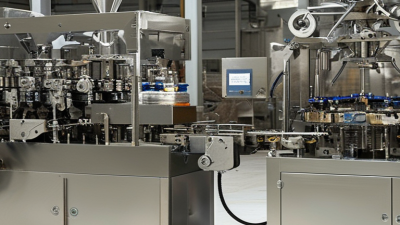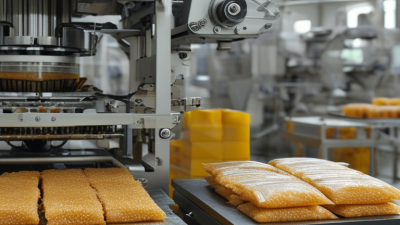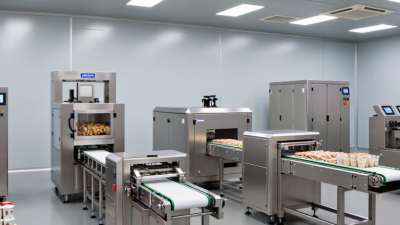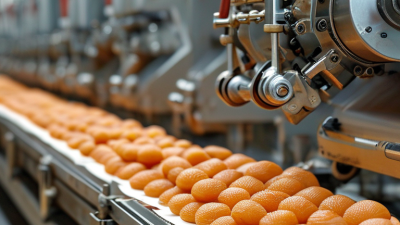


Choosing the best food product packaging machine in China requires more than comparing prices, speed, or attractive factory videos. A reliable decision connects product characteristics, packaging materials, hygiene controls, and after-sales support. According to Smithers’ packaging industry forecasts, global packaging demand is expected to exceed 1.2 trillion US dollars by 2028. Food remains a major driver, especially for ready meals, snacks, frozen products, sauces, and fresh produce. The right machine must therefore protect quality while handling real production pressure.
In China, manufacturers offer vertical form-fill-seal machines, premade pouch systems, vacuum packers, tray sealers, and automated weighing lines. Each option behaves differently beside a dusty seasoning hopper or a cold, wet production room. PMMI industry reports consistently identify automation, labor efficiency, flexible formats, and sustainability as major packaging investment priorities. These trends matter, but they do not replace practical testing. A machine that reaches 100 bags per minute may struggle with sticky powder, irregular pieces, or fragile film. That detail is easy to miss.
This guide examines which food product packaging machine fits different products and operating conditions. It considers sealing consistency, filling accuracy, cleaning access, changeover time, spare parts, and compliance documentation. Reports from the World Packaging Organisation also highlight recyclable materials and resource efficiency as continuing industry concerns. Still, “best” is not universal. A small snack producer may need simplicity, while a large frozen-food plant may require robotic integration. I may favor measurable performance too strongly, but a factory trial usually reveals more than a polished brochure.
What Is the Best Food Product Packaging Machine in China?
China offers many food product packaging machines, and the best option depends on the product, package, and production target. Vertical form-fill-seal machines suit rice, snacks, grains, and powdered foods. They form bags from film, fill measured portions, and seal them quickly. Multihead weighers improve accuracy for solid products. Auger fillers work better with flour, spices, and other powders.
Horizontal flow-pack machines handle biscuits, bread, vegetables, and individually wrapped products. Premade pouch machines offer a neat appearance for sauces, frozen foods, and ready-to-eat items. Liquid fillers use piston or pump systems for controlled dosing. Vacuum and modified-atmosphere machines can reduce air inside selected packages. Tray sealing machines are useful for meat, fruit, and prepared meals. Canning and retort systems serve foods requiring longer shelf stability.
A practical buyer should test the real product, not only empty packaging film. Check sealing strength, filling accuracy, cleaning access, sensor response, and changeover time. Stainless steel construction helps in wet food areas. Clear maintenance records and food-contact documentation also matter. The fastest machine is not always the most reliable choice. A powder may create dust, while a sticky sauce may slow the filling valve. These details are easy to overlook. Small trial runs often reveal problems that brochures do not show. Choose equipment that matches current output but allows reasonable future growth.
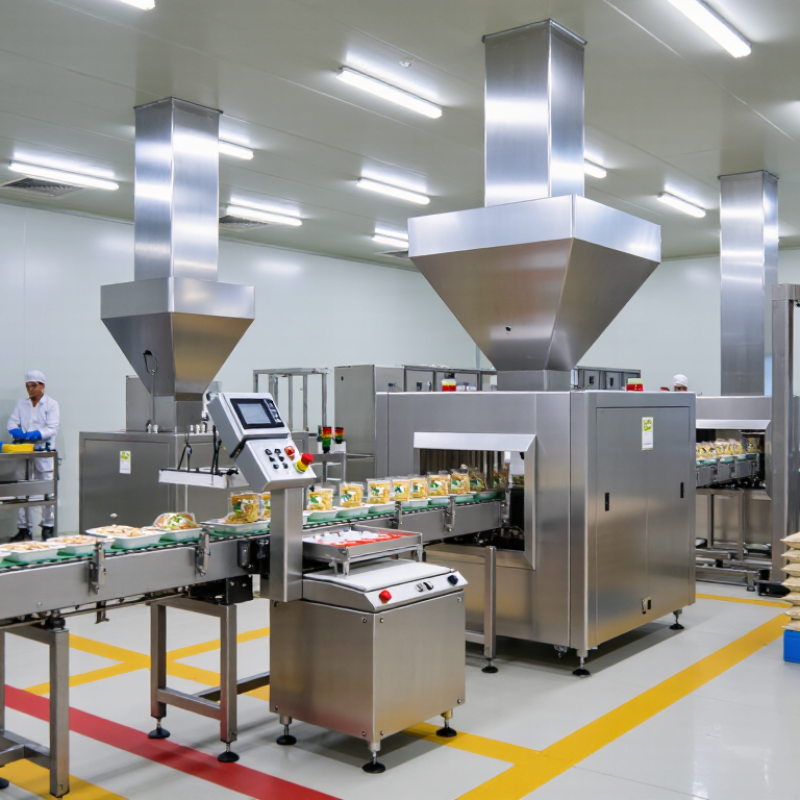
Chinese food packaging machines usually combine feeding, dosing, sealing, coding, and inspection in one production line. Vertical form-fill-seal machines create bags from film, then measure products such as rice, snacks, powders, and frozen foods. Horizontal flow wrappers handle biscuits, bakery items, and individual portions. Premade pouch machines suit sauces, pickles, and ready-to-eat foods. Servo motors control film length and filling accuracy. Sensors stop the line when a seal looks weak or a package is missing. In practice, dust, humidity, and uneven product size still cause trouble.
The Food and Agriculture Organization reports that 13.2% of food is lost before retail, while UNEP’s Food Waste Index Report 2024 estimates 1.05 billion tonnes of food waste in 2022. Better packaging cannot solve everything, but stable sealing and accurate dosing can reduce leakage, contamination, and overfilling. PMMI industry reports identify automation, traceability, and flexible packaging as major investment priorities. These trends matter in China, where factories often need fast changeovers for many product formats. Yet maximum speed is not always best. A machine running too quickly may create more rejects and film waste.
Tips: Test real products before purchase. Check seal strength, cleaning access, spare-part support, and changeover time. Ask for recorded accuracy data, not only catalog claims. Small details decide performance.
What Is the Best Food Product Packaging Machine in China?
Key Features for Evaluating Food Packaging Machine Quality
Choosing the best food packaging machine requires more than comparing prices. Start with product compatibility, including powder, granules, liquids, or fragile snacks. A reliable machine should maintain stable filling accuracy during long production runs. Check whether the sealing system produces clean, even seals without burnt edges. Small defects can cause leaks, waste, and customer complaints.
Inspect the machine frame, contact surfaces, sensors, and electrical components carefully. Food-contact parts should resist corrosion and allow quick removal for cleaning. Smooth stainless-steel surfaces are easier to sanitize. Ask for test videos using your actual product, not a similar sample. Product density and moisture can change machine performance significantly. That detail is often underestimated.
Control software should be clear enough for operators to adjust speed, temperature, and filling volume safely. Useful alarms should identify film errors, low material levels, or sealing problems. Request production records, accuracy data, and maintenance guidance from the manufacturer. A factory inspection can reveal wiring quality, spare-part storage, and assembly discipline. No machine is perfect. Even strong equipment may need fine adjustments after installation. I would leave room for testing because early assumptions can be wrong. A slower machine with stable output may outperform a faster model that creates frequent rejects.
This practical 100-point evaluation model emphasizes the factors that most directly affect food safety, package consistency, production efficiency, and long-term operating costs. Sealing reliability, hygienic construction, filling accuracy, and stable throughput are especially important when comparing packaging machines.
Choosing the best food product packaging machine in China starts with your product, not the machine’s advertised speed. A dry snack, liquid sauce, and frozen dumpling require different filling and sealing systems. Check the product’s weight, texture, temperature, and moisture level. Then compare machine capacity with your actual daily output. A machine running at maximum speed may waste materials and create uneven seals.
I have learned that factory testing matters more than impressive specifications. Request a sample run using your real product and packaging film. Watch the sealing edge closely. It should remain clean, tight, and consistent after several hours. Ask about stainless-steel contact parts, cleaning access, changeover time, and spare component availability. Confirm that operators can understand the controls without lengthy training. My first estimate once ignored cleaning time, and the production schedule suffered.
Tips: Prepare a simple checklist before contacting suppliers. Include package size, target weight, film type, output, power supply, and workshop space. Ask for maintenance records and references from similar food applications. Do not choose the cheapest option automatically. A lower purchase price can hide difficult adjustments, slow technical support, or expensive downtime. Also inspect safety features and documentation for your destination market. Leave room for future products, but avoid buying capacity you cannot use. That decision sounds practical, yet it can burden a small operation.
A practical comparison for selecting the right machine for different food products
| Machine Type | Suitable Food Products | Common Package Formats | Typical Output* | Filling Method and Typical Accuracy* | Main Advantages | Best Selection Scenario |
|---|---|---|---|---|---|---|
| Vertical Form-Fill-Seal Machine | Rice, grains, sugar, snacks, nuts, frozen foods, powders and other free-flowing products | Pillow bags, gusseted bags, block-bottom bags and small sachets | Approximately 30–120 bags per minute, depending on product, bag size and number of filling lanes | Multihead weighing, volumetric dosing or auger dosing; accuracy commonly depends on the product and filler, often about ±0.5% to ±2% | Compact footprint, continuous operation, wide range of bag sizes and good suitability for many dry foods | Best general-purpose choice for dry, free-flowing food products and flexible film packaging |
| Horizontal Form-Fill-Seal Machine | Biscuits, bakery products, chocolate bars, cereal bars, frozen foods and regularly shaped products | Three-side-seal flow-wrap packs, pillow packs and fin-seal packs | Approximately 20–100 packs per minute, depending on product size, sealing length and feeding system | Product counting, volumetric loading or automatic infeed; net-weight accuracy is mainly determined by the upstream dosing system | Clean presentation, strong protection from handling and efficient wrapping of solid products | Suitable when the food product is solid, elongated or regularly shaped and requires attractive flow-wrap packaging |
| Premade Pouch Fill-and-Seal Machine | Powders, coffee, sauces, pickles, pet food, snacks, grains and products requiring high-quality pouches | Flat pouches, stand-up pouches, zipper pouches and spouted pouches | Approximately 20–70 pouches per minute, depending on pouch size, product properties and filling stations | Auger, linear weigher, liquid pump or other product-specific dosing system; accuracy varies by filler and product behavior | Flexible pouch appearance, easy changeover between pouch styles and compatibility with resealable formats | Recommended when pouch appearance, zipper functionality or premium shelf presentation is more important than maximum speed |
| Rotary Cup-Filling and Sealing Machine | Yogurt, sauces, jelly, desserts, ready-to-eat foods and other liquid or semi-liquid products | Preformed plastic cups with heat-sealed film lids | Approximately 20–100 cups per minute, depending on the number of lanes and filling volume | Piston, pump or volumetric cup filling; liquid-fill accuracy is affected by viscosity, temperature and product consistency | Good hygiene control, consistent cup presentation and reliable heat sealing for refrigerated products | Best for portion-controlled liquid or semi-liquid foods sold in rigid cups |
| Tray Sealing Machine | Fresh meat, seafood, vegetables, fruit, ready meals and chilled convenience foods | Rigid trays sealed with lidding film; compatible with modified-atmosphere packaging when properly configured | Approximately 10–40 cycles per minute, depending on tray size, cavities and sealing method | Product loading is usually manual, semi-automatic or robot-assisted; the machine controls tray sealing rather than product weighing | Excellent product visibility, strong tray support and suitability for refrigerated retail food | Choose this system for fresh or prepared foods that need rigid support, display visibility and optional gas flushing |
| Auger Powder-Filling Machine | Flour, milk powder, spices, seasoning, protein powder, instant drink powder and other fine powders | Jars, bottles, cans, bags and pouches | Approximately 20–80 fills per minute, depending on dose size, powder flowability and container type | Servo-driven or mechanically driven auger dosing; practical accuracy is commonly around ±1% to ±2% for suitable powders, subject to testing | Designed for controlled powder dosing and can be integrated with dust-control and nitrogen-flushing systems | Best for cohesive, dusty or fine powders that do not dose consistently through standard volumetric cups |
| Linear or Multihead Weighing System | Snacks, chips, nuts, frozen vegetables, confectionery and irregular free-flowing products | Usually integrated with VFFS, premade-pouch or container-filling equipment | Approximately 20–120 weighments per minute, depending on the number of heads, target weight and product characteristics | Load-cell weighing; typical accuracy can range from about ±0.2% to ±1% under stable operating conditions | High flexibility for target-weight changes and better control of giveaway than simple volumetric dosing | Recommended when product value is high, pieces vary in size or accurate portion control is a priority |
| Liquid Pump-Filling Machine | Cooking oil, sauces, honey, beverages, dairy products and other liquid or viscous foods | Bottles, jars, cups, pouches and other rigid or flexible containers | Approximately 20–100 containers per minute, depending on the number of filling nozzles and liquid viscosity | Piston, gear, lobe or other pump-based filling; accuracy depends on viscosity, temperature, foaming and filling volume | Can handle a broad range of liquid viscosities and can be configured with anti-drip or clean-in-place features | Choose this machine when the product is liquid, especially when viscosity or foaming makes gravity filling unsuitable |
*Output and accuracy figures are typical industry ranges rather than guaranteed specifications. Actual performance depends on product characteristics, target weight, package dimensions, film or container material, sealing temperature, automation level and local electrical requirements. A product sample test and factory acceptance test should be completed before purchase.
Choosing the best food product packaging machine in China depends on the product, factory layout, and production target. Snack foods often use vertical form-fill-seal systems with multihead weighing. Sauces may require piston filling, while frozen foods need strong sealing and moisture-resistant components. Powdered products demand controlled auger filling. The machine must match the product’s flow, density, and particle size.
Hygiene should guide every buying decision. Look for food-contact parts made from suitable stainless steel, smooth welds, protected electrical cabinets, and easy washdown access. Check filling accuracy under real production conditions, not only in a showroom. A machine running at 80 bags per minute may become unstable with dusty powder or irregular pieces. Faster is not always better.
Ask the supplier for a factory trial using your actual product and packaging film. Measure weight variation, seal strength, film waste, changeover time, and cleaning effort. Confirm spare-part availability, technician response time, operator training, and software support in China. Electrical compatibility and safety documentation also deserve careful review. In plant evaluations, buyers sometimes focus on purchase price and overlook floor space, compressed-air use, and rejected packs. That mistake becomes expensive. A reliable contract should define acceptance tests, warranty coverage, and performance limits clearly. Real production is less tidy than a demonstration.